
Our electric bill has increased over the last few months because I constantly run little heaters wherever I go. I recently started running an air purifier, and these splurge purchases have significantly impacted our monthly bills. If you want to save on your electric bill, I wanted to share everything I learned while researching for my household.
It’s all about using less energy and monitoring your energy usage. But, how can a family determine how to lower their energy costs? Let’s go through some actionable ideas.
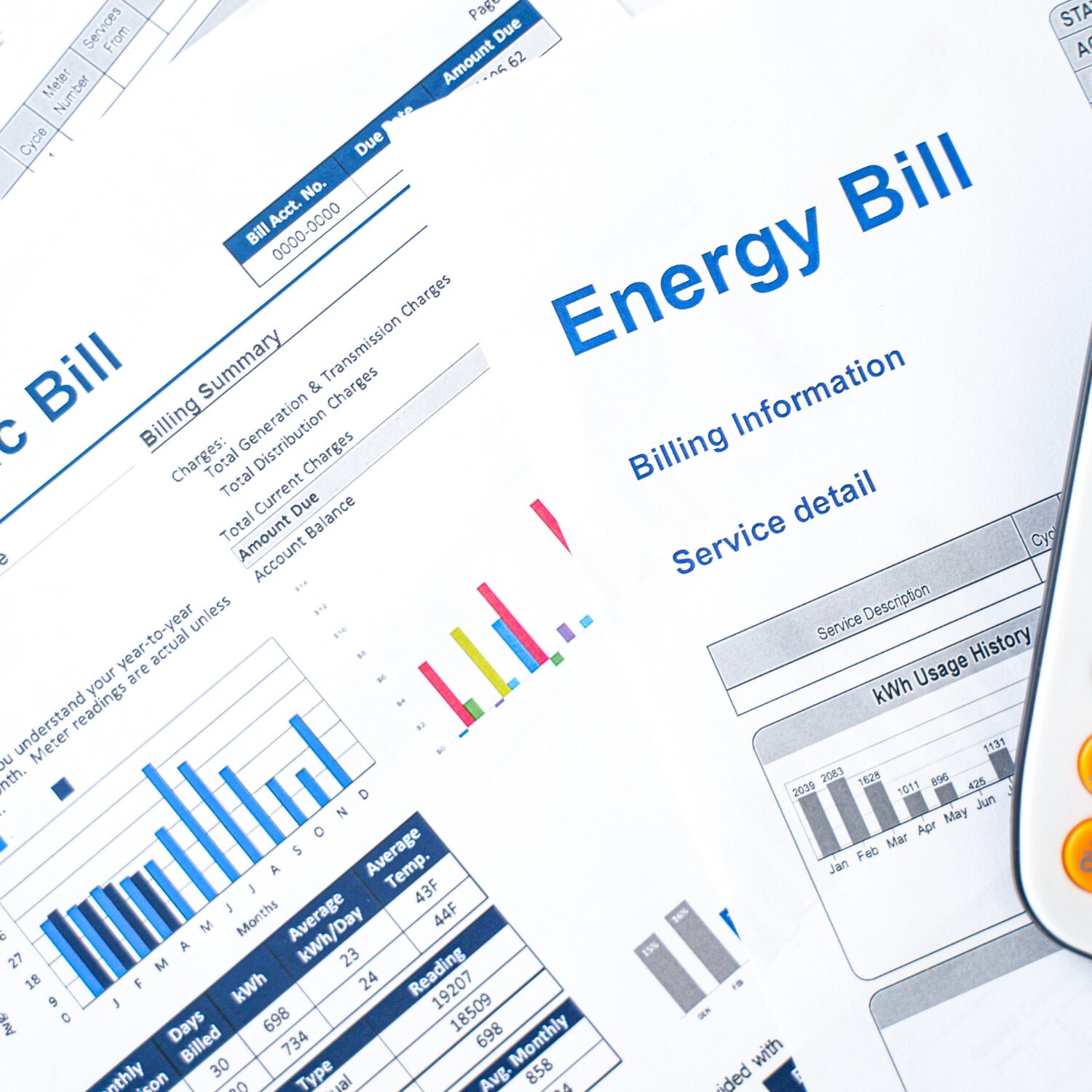
20 things I can do today at home to lower my electric bill
The good news is that it is easier than you think to save some money. Here are 20 things you can do today at home to lower your electric bill:
- Adjust Your Thermostat: Lower the thermostat setting in the winter and raise it in the summer to reduce heating and cooling costs. A lower temperature is easy to get used to.
- Use Ceiling Fans: Use ceiling fans to help circulate air and distribute heat more evenly throughout your home.
- Seal Air Leaks: Seal gaps around windows, doors, and vents with weather stripping or caulking to prevent drafts and reduce energy loss.
- Replace Incandescent Bulbs: Replace traditional incandescent light bulbs with energy-efficient LED or CFL bulbs to save energy and money on lighting costs.
- Unplug Electronics: Unplug electronics and appliances when not in use to prevent standby power consumption. This includes the microwave oven, home electronics, video game consoles, coffee maker, and the toaster oven.
- Install Power Strips: Use power strips to easily turn off multiple electronics at once and prevent vampire power drain.
- Upgrade to Energy-Efficient Appliances: Upgrade old, inefficient appliances with ENERGY STAR certified models to reduce energy usage and lower utility bills.
- Use Energy-Saving Settings: Optimize the settings on your appliances and electronics to reduce energy consumption, such as enabling power-saving modes on computers and TVs.
- Wash Clothes in Cold Water: Wash laundry in cold water whenever possible to save energy used for heating water.
- Air Dry Clothes: Air dry clothes instead of using a dryer to further reduce energy consumption and prolong the lifespan of your clothing. This especially works on summer days. Make sure they are getting direct sunlight.
- Reduce Water Heater Temperature: Lower the temperature setting on your water heater to 120°F (49°C) to save energy without sacrificing comfort.
- Insulate Hot Water Pipes: Insulate hot water pipes to reduce heat loss and minimize the time it takes for hot water to reach faucets and fixtures.
- Limit Shower Time: Take shorter showers to reduce water heating costs and conserve both water and energy.
- Use Energy-Saving Cooking Methods: Use microwaves, toaster ovens, or slow cookers instead of the oven or stovetop whenever possible to save energy while cooking.
- Close Curtains and Blinds: Close curtains and blinds at night to keep warm air inside during the winter and block out heat from the sun during the summer.
- Seal Fireplace Damper: Close the fireplace damper when not in use to prevent warm air from escaping up the chimney.
- Cook with Lid On: Cover pots and pans with lids while cooking to retain heat and reduce cooking times, saving energy.
- Use Natural Lighting: Take advantage of natural daylight by opening curtains and blinds during the day to reduce the need for artificial lighting.
- Plant Shade Trees: Plant trees strategically around your home to provide shade during the summer and reduce the need for air conditioning.
- Schedule Energy Audit: Schedule a professional energy audit to identify additional opportunities for energy savings and efficiency improvements in your home.
By implementing these simple yet effective measures, you can start lowering your electric bill today and enjoy long-term savings on energy costs.
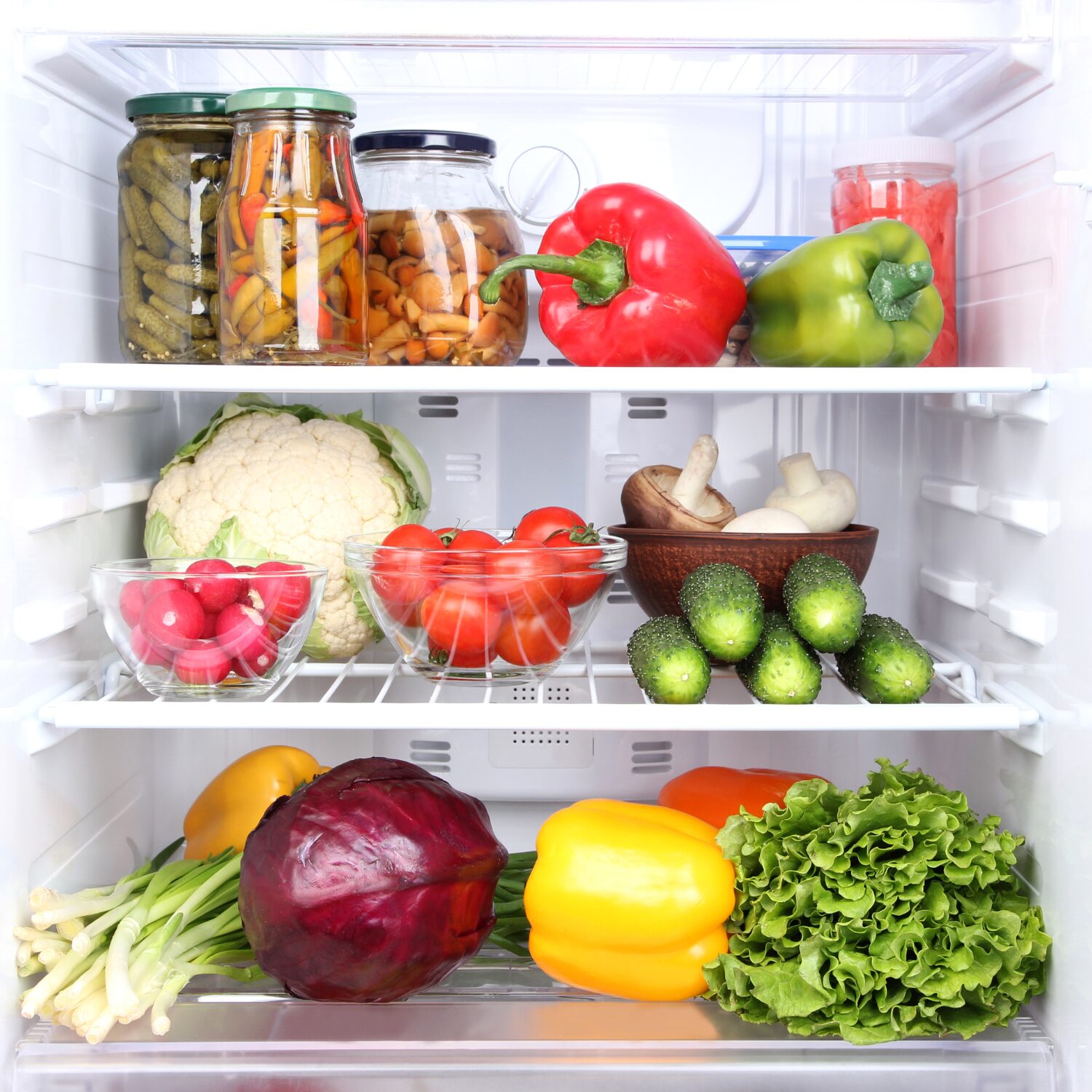
Swapping To Energy-Efficient Appliances
Energy-efficient appliances and electronics play a pivotal role in reducing energy consumption and subsequently lowering electric bills. Investing in ENERGY STAR certified appliances and electronics is a smart choice for both your wallet and the environment.
- Benefits of Energy-Efficient Appliances:Energy-efficient appliances are designed to consume less energy while delivering the same level of performance as their traditional counterparts. By using these appliances, homeowners can enjoy several benefits:
- Lower Energy Bills: Energy-efficient appliances consume less electricity, significantly saving monthly energy bills.
- Reduced Environmental Impact: Lower energy consumption means reduced greenhouse gas emissions and a smaller carbon footprint, contributing to a healthier environment.
- Enhanced Longevity: Energy-efficient appliances are often built with advanced technologies that save energy and contribute to their durability and longevity.
- Improved Performance: Contrary to misconceptions, energy-efficient appliances are designed to deliver optimal performance while consuming less energy, ensuring efficient operation without compromising functionality.
- Understanding ENERGY STAR Certification: Products bearing the ENERGY STAR label meet strict energy efficiency guidelines set by the U.S. Environmental Protection Agency (EPA). When purchasing appliances and electronics, look for the ENERGY STAR label to ensure that you’re investing in products that are designed to save energy and money.
- Reducing Power Consumption:Energy-efficient appliances and electronics utilize advanced technologies such as variable speed motors, improved insulation, and energy-efficient compressors to minimize power consumption. For example, ENERGY STAR certified refrigerators can use up to 15% less energy than non-certified models, while ENERGY STAR certified televisions can be up to 27% more energy efficient.
Here are some examples of appliances you can switch
- Refrigerator: They often feature automatic defrost, temperature controls, and high-efficiency lighting features.
- Washing Machine: They typically have features such as multiple wash cycles, load sensors, and high-speed spin cycles for efficient water extraction.
- Dishwasher: Energy-efficient dishwashers use less water and energy per cycle while still providing excellent cleaning performance. They often have features such as soil sensors, delay start options, and efficient water jets.
- Clothes Dryer: They can reduce energy consumption by up to 20% compared to conventional dryers.
- Air Conditioner
- Television
- Computer and Monitor
- Lighting: Energy-efficient LED bulbs use up to 75% less energy and last much longer than traditional incandescent bulbs. They are available in a variety of shapes, sizes, and color temperatures for different lighting needs.
U.S. Department of Energy (DOE) Estimates: According to the U.S. Department of Energy, the average household can save an average of $400 per year by switching to ENERGY STAR certified appliances. This estimate takes into account savings from using energy-efficient refrigerators, washing machines, and other appliances.
How To Light Your House Without Using Much Energy
Lighting efficiency plays a significant role in reducing energy consumption and cutting down on electricity costs. By utilizing energy-efficient lighting options such as LED bulbs and CFL bulbs, households can make a tangible impact on both their wallets and the environment.
- Benefits of Energy-Efficient Lighting:Energy-efficient lighting options offer several advantages over traditional incandescent bulbs:
- Lower Energy Consumption: LED (Light Emitting Diode) bulbs and CFL (Compact Fluorescent Lamp) bulbs use significantly less energy than traditional incandescent bulbs to produce the same amount of light. This results in immediate savings on electricity bills.
- Extended Lifespan: LED bulbs and CFL bulbs have much longer lifespans compared to incandescent bulbs. LED bulbs, for instance, can last up to 25 times longer, reducing the frequency of bulb replacements and lowering maintenance costs.
- Reduced Heat Output: LED and CFL bulbs produce less heat than incandescent bulbs, making them safer to use and reducing the strain on cooling systems in warmer climates.
- Environmental Benefits: Energy-efficient lighting options consume less electricity, leading to reduced greenhouse gas emissions and a smaller carbon footprint. By choosing LED or CFL bulbs, households can contribute to environmental conservation efforts.
- LED Bulbs vs. CFL Bulbs:Both LED and CFL bulbs offer energy-efficient lighting solutions, but there are some differences to consider:
- LED Bulbs: LED bulbs are highly energy-efficient and durable, with instant brightness and dimmable options available. They contain no mercury and are recyclable, making them environmentally friendly.
- CFL Bulbs: CFL bulbs are more energy-efficient than incandescent bulbs but less so than LED bulbs. They take a short time to reach full brightness and contain a small amount of mercury, requiring proper disposal procedures.
- Maximizing Lighting Efficiency:To maximize lighting efficiency in the home, consider the following tips:
- Replace Incandescent Bulbs: Replace traditional incandescent bulbs with energy-efficient LED or CFL bulbs in all lighting fixtures throughout the home.
- Use Dimmer Switches: Install dimmer switches to adjust the brightness levels of LED bulbs, allowing for customizable lighting options and additional energy savings.
- Utilize Natural Light: Take advantage of natural light during the day by opening curtains and blinds to reduce the need for artificial lighting.
- Turn Off Lights When Not in Use: Encourage household members to turn off lights in unoccupied rooms to minimize unnecessary energy consumption.
By making simple changes to lighting choices and habits, households can make a meaningful difference in energy conservation efforts while enjoying the benefits of efficient and cost-effective lighting solutions. Make sure you make these switches throughout your entire house. Smart plugs are also recommended to help reduce your electricity bill. They will help manage the amount of energy produced.
Weatherization And Insulation
Weatherization and insulation are critical components of energy efficiency in homes, offering numerous benefits that contribute to lower energy bills and increased comfort. Proper insulation and weatherization techniques help prevent energy leaks, improve indoor air quality, and reduce the strain on heating and cooling systems.
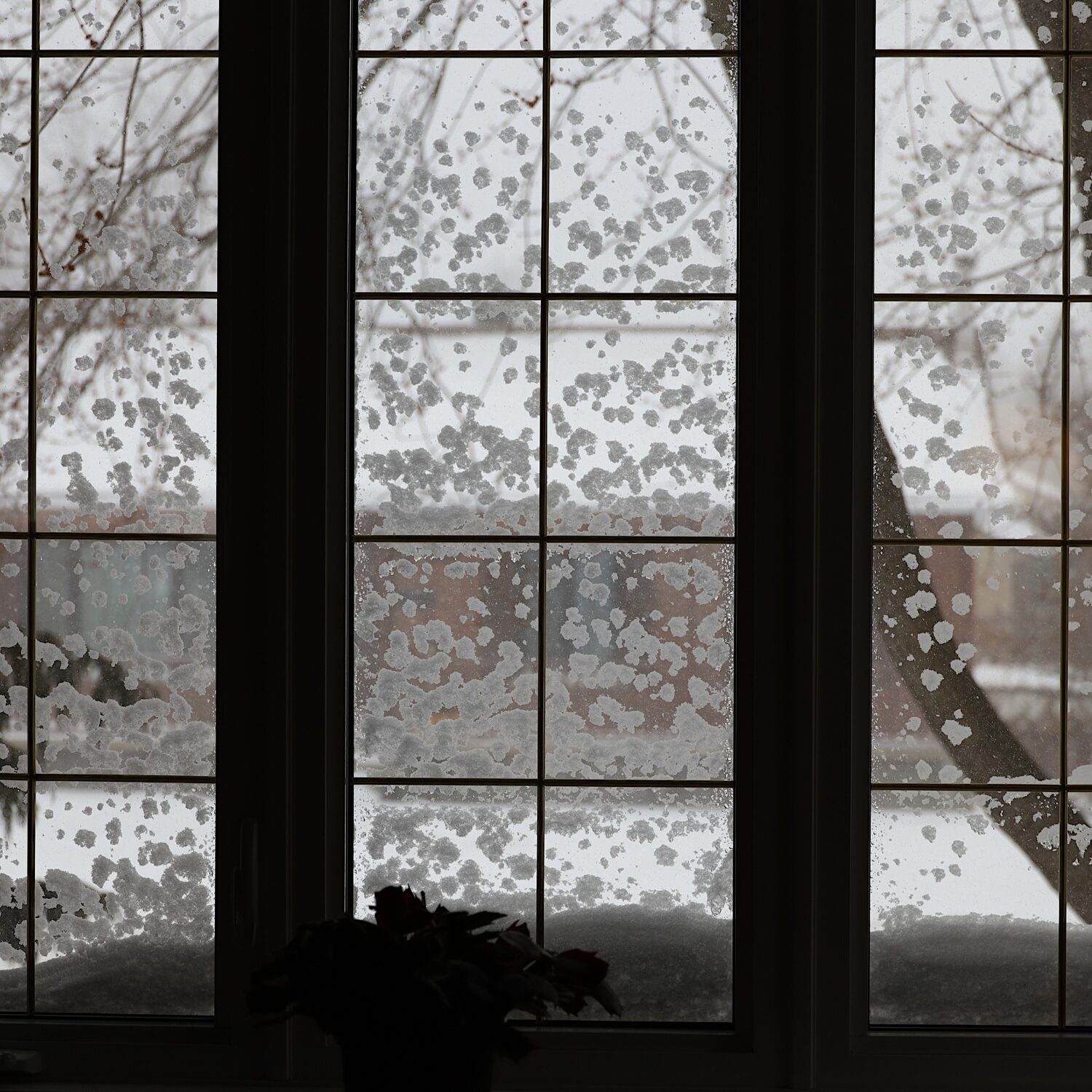
Weatherizing a home involves implementing various measures to seal air leaks, improve insulation, and optimize energy efficiency. Here are several examples of how homeowners can weatherize their houses to save money:
- Sealing Air Leaks:
- Caulk around windows and doors to seal gaps and prevent air leakage.
- Apply weather stripping to the edges of doors and windows to create a tight seal when closed.
- Seal gaps around electrical outlets, switches, and vents with foam gaskets or caulking.
- Use door sweeps or draft stoppers to seal gaps at the bottom of exterior doors.
- Insulating Attic and Walls:
- Add insulation to the attic to prevent heat loss through the roof. Consider using blown-in insulation or batt insulation, and ensure proper ventilation to prevent moisture buildup.
- Insulate exterior walls to reduce heat transfer and improve energy efficiency. This can involve adding insulation between wall studs or installing rigid foam insulation on the exterior of the walls.
- Insulating Floors and Crawlspaces:
- Insulate floors above unconditioned spaces such as crawlspaces or garages to prevent heat loss. This can be done using batt insulation, rigid foam insulation, or spray foam insulation.
- Seal gaps and cracks in the foundation and around pipes to prevent cold air infiltration from crawlspaces.
- Upgrading Windows and Doors:
- Replace old, single-pane windows with energy-efficient windows featuring double or triple panes, low-emissivity coatings, and insulated frames.
- Consider upgrading exterior doors to energy-efficient models with insulated cores and weatherstripping.
- Installing a Programmable Thermostat:
- Install a programmable thermostat to automatically adjust the temperature settings based on your schedule. This can help reduce energy consumption when you’re away from home or asleep.
- Maintaining Heating and Cooling Systems:
- Schedule regular maintenance for heating and cooling systems to ensure they operate efficiently. Replace air filters regularly to maintain optimal airflow and energy efficiency.
- Consider upgrading to high-efficiency heating and cooling equipment, such as ENERGY STAR certified furnaces, boilers, and air conditioners.
- Sealing Ductwork:
- Seal leaks and gaps in ductwork to prevent heated or cooled air from escaping into unconditioned spaces. Use duct sealant or metal-backed tape to seal joints and connections.
- Installing Energy-Efficient Lighting:
- Replace incandescent light bulbs with energy-efficient LED or CFL bulbs to reduce energy consumption for lighting.
By implementing these weatherization measures, homeowners can improve energy efficiency, reduce heating and cooling costs, and create a more comfortable and sustainable living environment. Additionally, many utility companies offer rebates or incentives for weatherization upgrades, making these investments even more cost-effective.
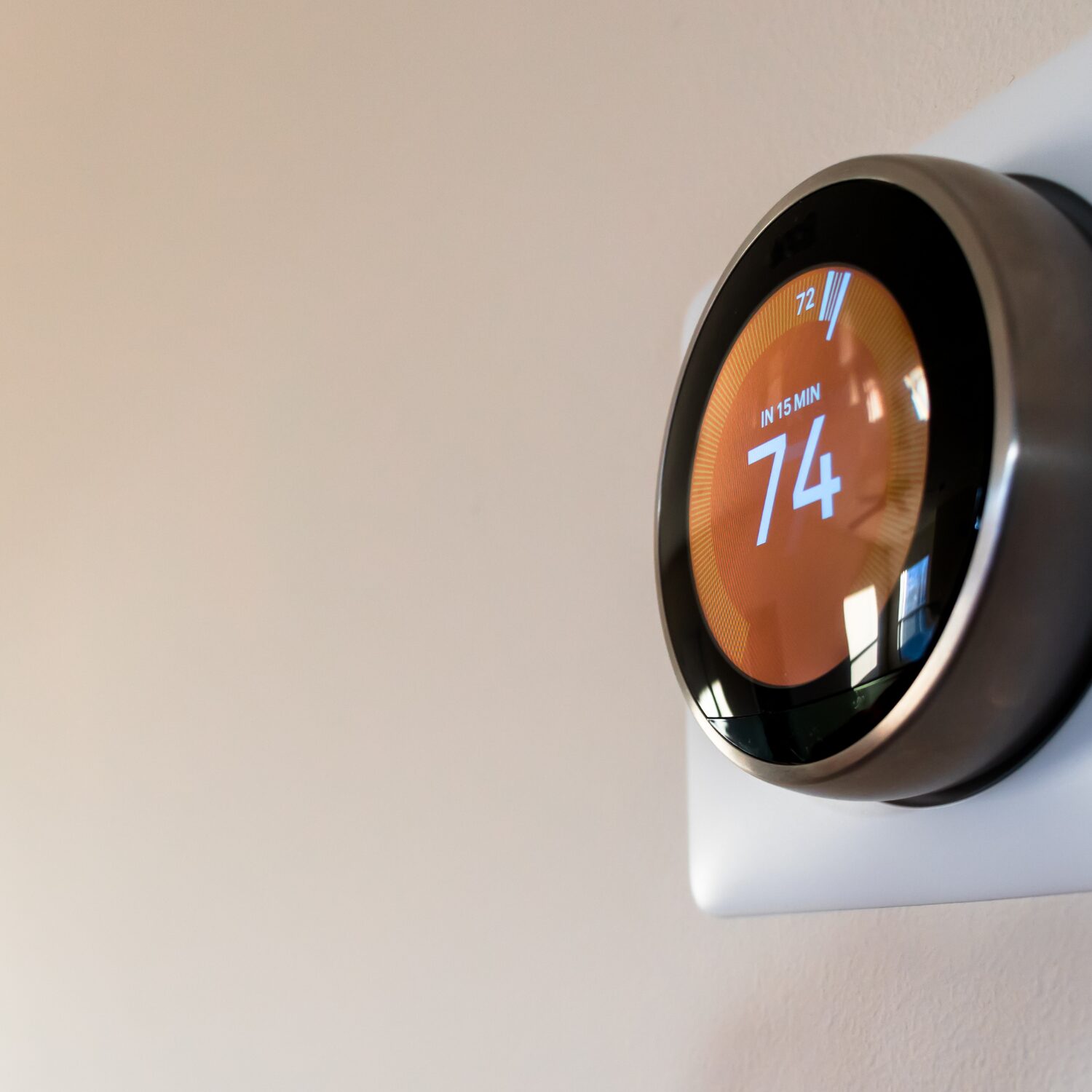
Benefits of using smart thermostats
Another way to lower your energy bill is to install smart thermostats. Smart thermostats provide homeowners with advanced features that optimize heating and cooling systems, leading to increased energy efficiency and cost savings. With automated temperature control capabilities, users can program heating and cooling schedules based on their preferences and daily routines.
This customization ensures that energy is not wasted heating or cooling the home when it’s unoccupied or during sleeping hours. Additionally, smart thermostats offer remote access via smartphone apps or web interfaces, allowing users to monitor and adjust temperature settings from anywhere with an internet connection. This flexibility enables homeowners to optimize energy usage and comfort levels even when they’re away from home. By leveraging learning algorithms, some smart thermostats analyze household patterns and preferences to automatically adjust temperature settings for optimal comfort and energy efficiency over time.
Furthermore, integration with other smart home devices and systems enables seamless automation and coordination, further enhancing energy savings and convenience. Many utility companies also offer incentives or rebates for installing smart thermostats as part of energy efficiency programs, making it a cost-effective investment for homeowners. Overall, smart thermostats offer a comprehensive solution for optimizing heating and cooling efficiency, providing energy savings, comfort, and convenience.
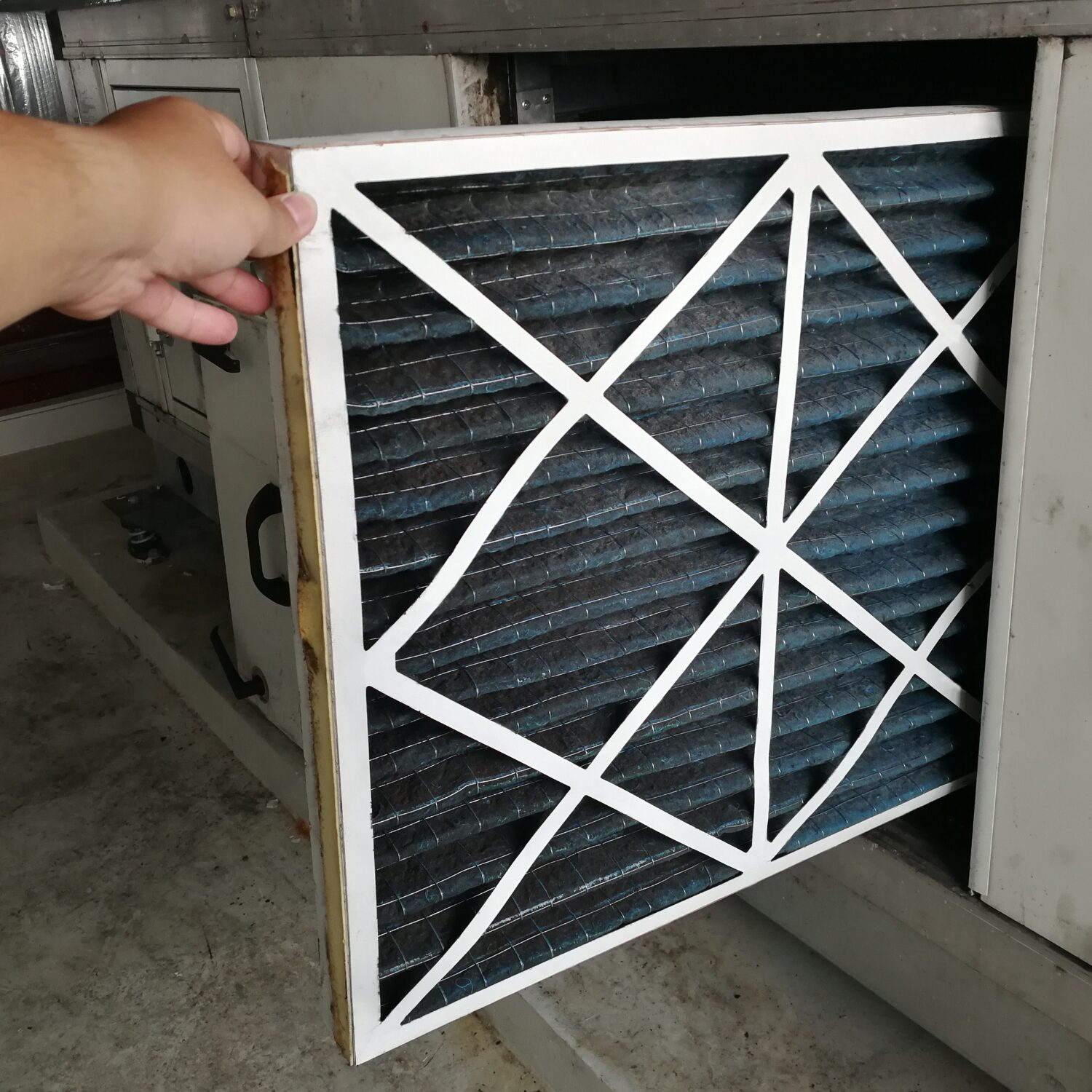
How do dirty filters impact my electric bill?
Dirty filters in HVAC (heating, ventilation, and air conditioning) systems can have a significant impact on your electric bill in several ways:
- Reduced Airflow: When air ducts become clogged with dirt, dust, and debris, they restrict the airflow through the HVAC system. This reduction in airflow forces the system to work harder to distribute air throughout your home, leading to increased energy consumption.
- Higher Energy Consumption: As the HVAC system works harder to push air through dirty filters, it requires more energy to maintain the desired temperature in your home. This results in higher electricity usage and an increase in your electric bill.
- Decreased Efficiency: Dirty filters can reduce the efficiency of your HVAC system by impeding the flow of air over the evaporator coils (for cooling) or the heat exchanger (for heating). This reduces the system’s ability to transfer heat effectively, leading to longer running times and higher energy consumption.
- Overworking the System: A dirty filter can cause the HVAC system to overheat or overcool, as it struggles to compensate for the reduced airflow. This can lead to premature wear and tear on the system’s components, potentially resulting in costly repairs or the need for early replacement.
- Poor Indoor Air Quality: Dirty filters can also lead to poor indoor air quality, as they are less effective at trapping allergens, dust, pollen, and other airborne particles. This can exacerbate respiratory issues and allergies, leading to discomfort and potentially necessitating additional energy usage for air purifiers or increased ventilation.
In summary, dirty filters can significantly impact your electric bill by reducing airflow, increasing energy consumption, decreasing efficiency, overworking the HVAC system, and compromising indoor air quality. Regularly changing or cleaning your air filters is essential to maintain optimal performance and energy efficiency in your home.

Does standby mode on electronics save electricity?
Standby mode on electronics is designed to reduce power consumption when the device is not actively in use but still plugged in. While standby mode does consume less power than when the device is fully operational, it still draws a small amount of electricity to maintain essential functions such as powering the standby indicator light, maintaining settings, and awaiting signals from remote controls.
To minimize standby power consumption and save electricity:
- Use Power Strips: Plug electronic devices into power strips and turn off the power strip when devices are not in use to completely cut off power to them.
- Unplug Unused Devices: Unplug devices that are not used frequently or for extended periods, such as chargers, small appliances, and entertainment devices.
- Choose Energy-Efficient Devices: Look for energy-efficient appliances and electronics that have lower standby power consumption rates.
- Enable Energy-Saving Features: Configure devices to enter low-power or sleep modes automatically after a period of inactivity to further reduce standby power consumption.
By taking these steps, you can minimize standby power consumption and reduce your overall electricity usage, leading to potential savings on your electric bill.
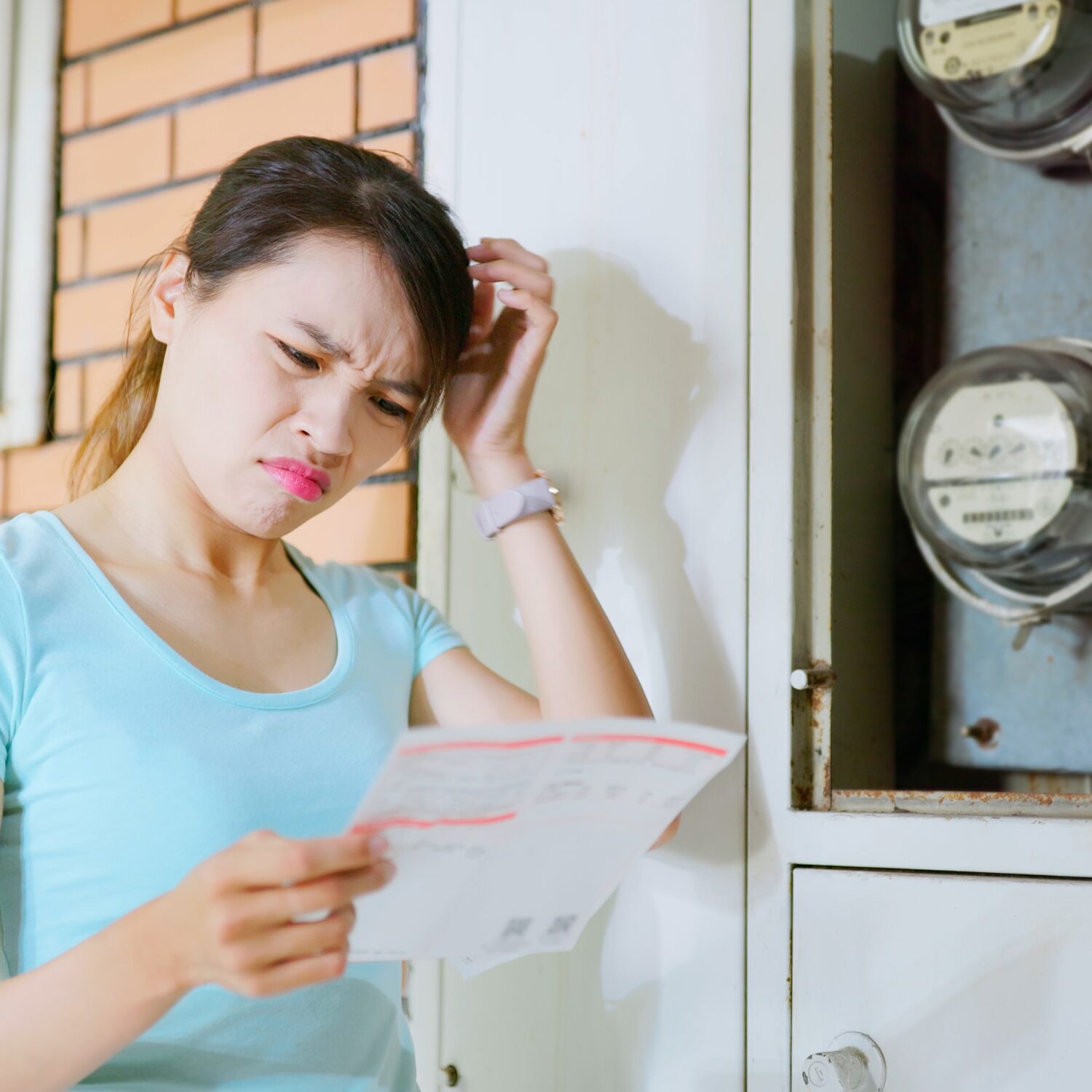
How can I conduct a home energy audit?
Conducting a home energy audit is a proactive step toward identifying areas for energy efficiency improvements and reducing energy costs. First, thoroughly inspect your home, paying attention to areas where energy may be wasted. This includes checking for drafts around windows, doors, and vents and inspecting insulation levels in the attic, walls, and floors. You can use tools such as a thermal leak detector or infrared thermometer to pinpoint heat loss or gain areas. Review your utility bills to track energy usage patterns and identify any spikes or anomalies that may indicate inefficiencies.
Consider hiring a professional energy auditor for a more comprehensive assessment, which may include blower door tests, infrared imaging, and combustion safety checks. Once you have identified areas for improvement, prioritize energy-saving upgrades such as sealing air leaks, adding insulation, upgrading to energy-efficient appliances and lighting, and optimizing heating and cooling systems. By conducting a home energy audit and implementing energy-saving measures, you can enhance comfort, reduce energy consumption, and lower your utility bills.
There are many easy ways to lower your electric bill besides the ones listed above. In the long run, it’s better to understand the cost of energy and do your part to use less. The annuals savings will be in the hundreds!