
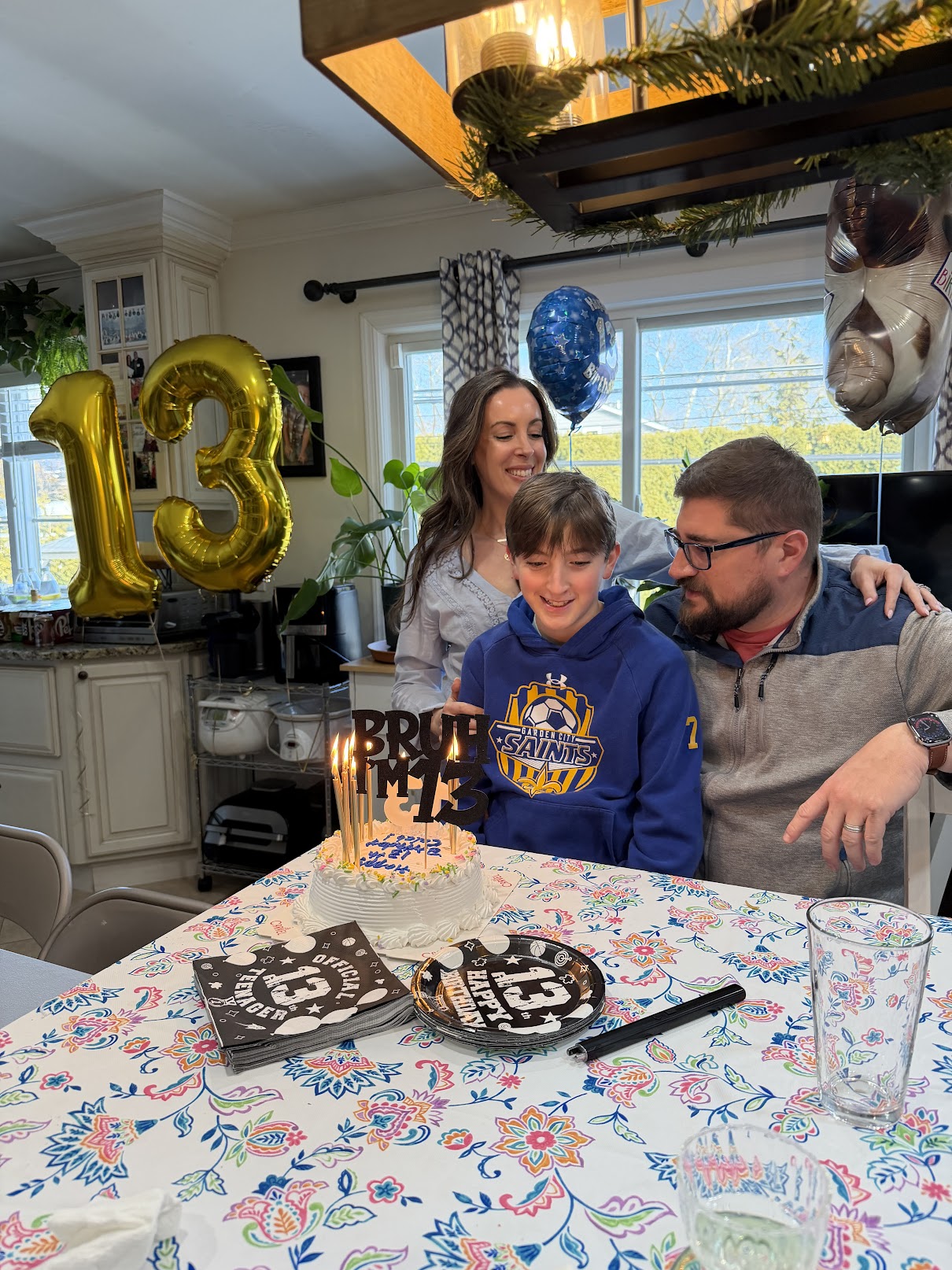
My youngest just turned 13. Thirteen. For years, our house has buzzed with the delightful chaos of little feet, then energetic tweens, and now, the distinct sounds of teenagers.
My other children are 20 and 18, thriving in college, and watching them flourish brings immeasurable joy. But with each passing milestone, a new feeling begins to settle in, a quiet whisper that grows louder with every passing year: the undeniable truth that soon, all my birds will leave the nest.
And honestly? It’s bittersweet.
For so long, our identities as mothers have been intertwined with the daily rhythm of raising children. From sleepless nights with newborns to navigating toddler tantrums, school plays, and teenage angst, our days are filled with purpose, challenges, and an abundance of love.
We are managers, chefs, chauffeurs, therapists, and cheerleaders, all rolled into one. It’s exhausting, exhilarating, and utterly consuming.
Now, as I look at my youngest, teetering on the edge of full-blown adolescence, I feel that familiar ache in my chest. The kind that reminds you of time slipping through your fingers like grains of sand. The thought of an empty nest, while still a few years away for us, is becoming more real, more tangible. And it brings with it a mix of emotions that I know many of you, fellow mamas, can relate to.
The “Good” of Empty Nest Preparation
It’s not all melancholic, I promise. There’s a quiet excitement brewing, too, a sense of anticipation for what this next chapter might hold.
- Rediscovering Self: Remember that woman you were before kids? Or the dreams you put on hold? This is an opportunity to reconnect with hobbies, passions, and even career aspirations that took a backseat. What have you always wanted to learn or do? Now might be the time.
- A New Kind of Connection: Your relationship with your children evolves. It moves from hands-on parenting to a more adult friendship, built on mutual respect and shared experiences. Phone calls and visits become cherished moments.
- Time for Your Relationship: If you have a partner, this phase can be a wonderful chance to rekindle your romance and focus on each other without the constant demands of young children. Date nights, spontaneous trips – the possibilities open up.
- Peace and Quiet (Seriously!): Imagine a clean kitchen that stays clean for more than an hour! Uninterrupted conversations! The sheer peace of a quiet house can be a balm to the soul after years of constant noise and activity.
The “Bad” (and Completely Normal) Feelings
Let’s be real, it’s not all rainbows and reconnecting. There are valid, deep feelings of loss that come with this transition.
- Grief: It’s okay to grieve the end of a chapter. You’re not just losing the daily presence of your children; you’re letting go of a version of yourself. This grief is valid and deserves to be acknowledged.
- Identity Shift: Who am I if I’m not constantly mothering? This question can be daunting. It requires an intentional effort to redefine your purpose and identity beyond just being “mom.”
- Loneliness: Even with a partner, the quiet house can feel profoundly empty. The absence of laughter, arguments, and general commotion can leave a void that takes time to fill.
- Missing the “Little Things”: The messy rooms, the unexpected hugs, the stories from school, even the sibling squabbles! You’ll find yourself missing the very things that sometimes drove you crazy.
Embracing the Transition: My Journey in Empty Nest Preparation
So, how do we navigate this tender terrain? For me, it’s about intentional empty nest preparation, even if the nest isn’t fully empty yet.
- Acknowledge and Validate: Don’t suppress your feelings. Allow yourself to feel the sadness, the joy, the fear, the excitement. Talk to trusted friends, your partner, or even a therapist if you need to.
- Cultivate New Interests (Now!): Don’t wait until the last child leaves to start exploring. Pick up that old guitar, join a book club, start a fitness routine, volunteer, learn a new language. These activities will provide purpose and connection as your children become more independent.
- Invest in Your Relationships: Deepen your bond with your partner, nurture friendships, and connect with other mothers who are going through similar experiences. Shared understanding can be incredibly comforting.
- Embrace the Evolving Role: You’ll always be a mother, but the role changes. It shifts from managing their lives to guiding, supporting, and being a safe harbor. Cherish the adult conversations and the pride you feel in their independence.
- Create New Traditions: With older children, you can establish new family traditions that fit their adult lives – weekend brunches, holiday gatherings, or even trips together.
The truth is, motherhood is a journey of constant evolution, a series of letting go and embracing new beginnings. The ache in my heart is real, but so is the excitement for what’s to come. This isn’t the end of motherhood; it’s simply a beautiful, poignant transition to the next, equally rich chapter.
What are your thoughts on empty nest preparation? How are you navigating this phase, or how do you plan to?