
Okay, mama, pull up a chair, because we need to talk about the cyclosporiasis outbreak that’s all over the news right now. If you’ve seen “explosive diarrhea outbreak” trending and thought excuse me, what, same. I saw it, panicked a little, then went full research-rabbit-hole so you don’t have to.
What Is Cyclospora Cayetanensis?
A tiny parasite called Cyclospora cayetanensis is behind an intestinal illness called cyclosporiasis. You catch it by eating food, usually fresh fruit or vegetables, that has the parasite on it. Once it’s in your body, it causes days, sometimes weeks, of watery, urgent, “do not leave the bathroom” diarrhea, plus cramps, bloating, nausea, and that flattened-out, no-energy feeling.
It’s not usually life-threatening, so take a breath. But it is genuinely miserable, and it tends to hang on way longer than a normal 24-hour stomach bug. It can even fade and then come roaring back, which feels like a special kind of cruel.
How Big Of A Deal Is This Diarrhea Outbreak?
This isn’t a tiny local blip you can shrug off. As of early to mid-July 2026, hundreds of confirmed cases have emerged across more than 30 states, with well over a thousand more suspected cases still under investigation. Dozens of people have ended up in the hospital.
Michigan is ground zero, with well over 1,000 reported cases, far more than the handful the state usually logs in an entire year. Ohio, New York, Illinois, Indiana, North Carolina, and Texas have all seen their numbers climb, too.
Here’s the part that makes it extra frustrating as a parent: health investigators haven’t nailed down one single source yet. There could even be more than one thing going on at once, which is basically the opposite of the tidy answer we all want.
Which Fruits and Veggies Should We Avoid?
This parasite loves produce that’s hard to wash all the way clean, stuff with lots of little folds, crevices, or leafy layers where it can hide. Based on this outbreak and past ones, here’s what’s on the watch list:
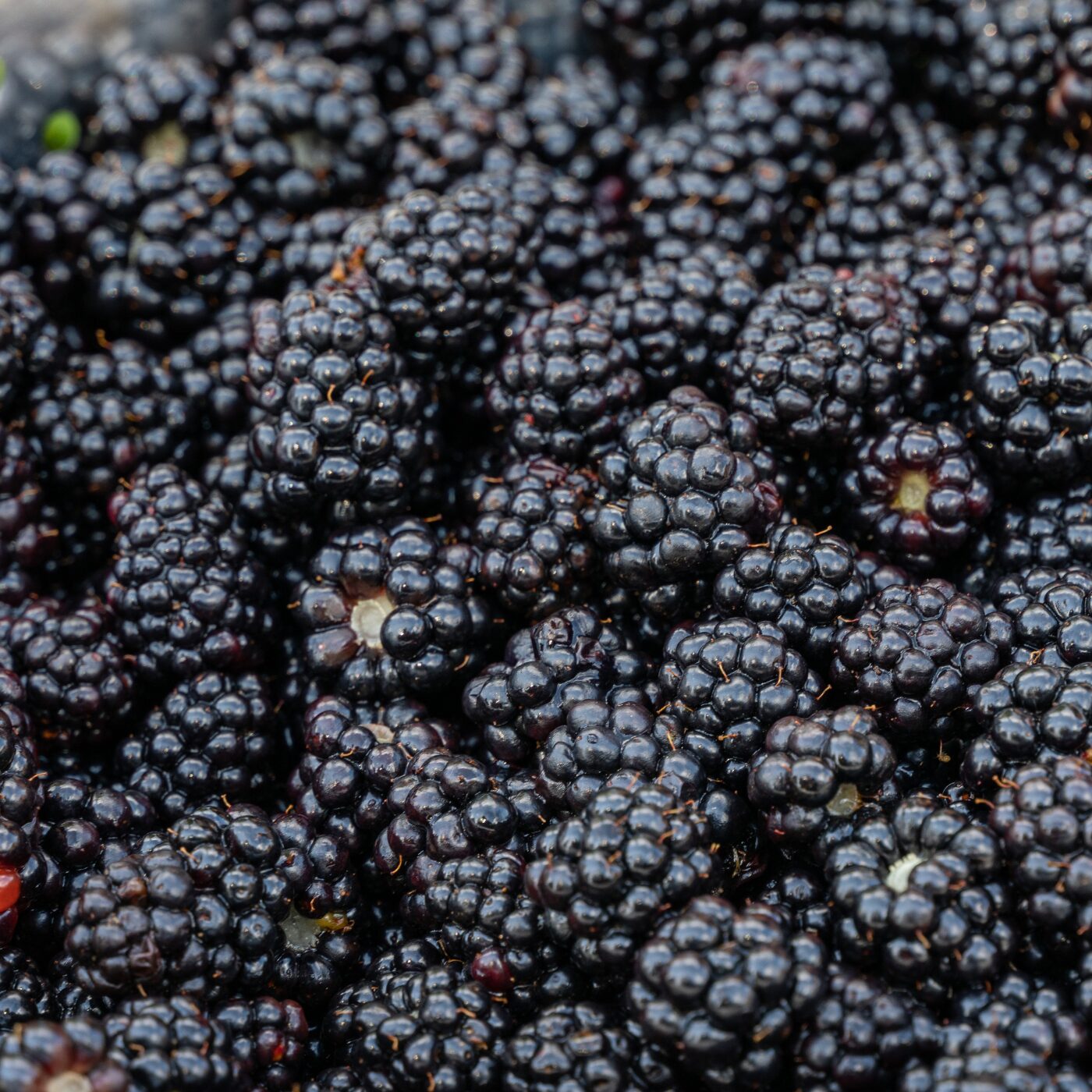
- Raspberries and blackberries
- Cilantro and basil
- Lettuce and bagged salad mixes
- Green onions
- Snow peas and sugar snap peas
- Melons and cucumbers (firmer produce, but still worth scrubbing)
And before you spiral, no single food has actually been confirmed as the cause of this specific outbreak yet. This is more of a “here’s what’s caused trouble before” list than a “clear out your whole fridge” list.
Cyclosporiasis Symptoms Every Mom Should Know
Here’s the tricky part: Symptoms can show up anywhere from two days to three weeks after eating something contaminated, which is exactly why tracing this outbreak has been so hard. Here’s what to watch for in yourself or your kids:
- Watery or explosive diarrhea
- Loss of appetite
- Bloating and gas
- Stomach cramps
- Low-grade fever
- Nausea, sometimes vomiting
- That completely wiped-out, no-energy feeling
Mom tip: if diarrhea sticks around for more than 48 hours, that’s your sign to call the doctor. Regular stomach bug tests often miss this parasite completely, so ask specifically for a Cyclospora test if symptoms are dragging on.
How to Keep Your Family Safe From Contaminated Produce
I am not telling you to swear off salad forever, don’t worry, we still need our vegetables. But here’s what food safety experts are actually recommending right now, mom to mom:
- Skip the bagged, pre-washed salad mixes for now. Grab whole heads of lettuce instead and wash the inner leaves yourself under running water.
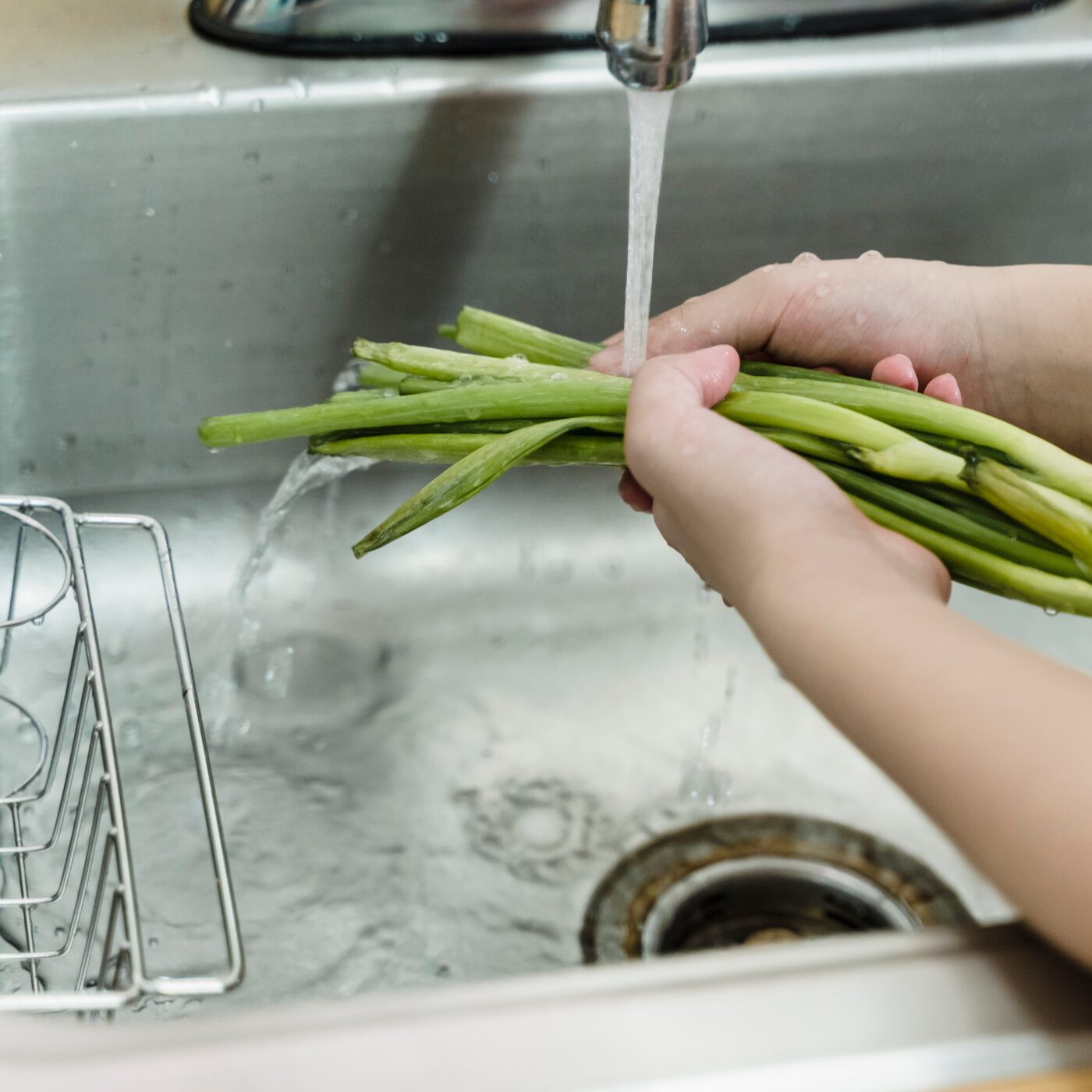
- Wash everything, even the stuff you’re going to peel. Cold water and a full minute of rinsing or swishing does more than most of us think.
- Scrub the firm stuff. Use a clean produce brush on melons and cucumbers.
- Pull apart and rinse your leafy herbs. Cilantro and basil need to be separated leaf by leaf, not just rinsed as one big clump.
- Trim and peel your green onions before you use them.
- When in doubt, cook it. Heat kills the parasite, so if something makes you nervous, toss it in a pan instead of a salad bowl.
One honest note, because I want you to have the full picture: washing helps, but it isn’t a total guarantee. This parasite is stubborn and can resist the chlorine washes that grocery stores and commercial processors normally use. So washing lowers your risk, it just doesn’t erase it completely.
This post is for general information only and isn’t medical advice. If you or your family are dealing with ongoing symptoms, please check in with your doctor.