
This week, I attended a really exciting Apple-hosted event that gave a behind-the-scenes look at the Swift Student Challenge, and I left feeling genuinely inspired.
Apple walked us through how students use Swift and Xcode to bring ideas to life, and even guided us through coding a simple app. Yes, I coded my first app using Xcode, with Apple’s help. If app development has ever felt intimidating, this experience completely changed that perception. I am ready to start developing OH MY GOODNESS! But let’s bring it back to the kids, since that is what this is really all about.
What Is The Swift Student Challenge?
The Swift Student Challenge is a global Apple program that encourages students to explore app development by creating a project using Swift and Xcode. It’s designed for beginners and experienced coders alike, focusing less on technical perfection and more on creativity, curiosity, and problem-solving.
Students are invited to build an app playground or concept based on something they care about. This could be anything from accessibility and mental health to education, sustainability, or everyday challenges in their own communities. Participants submit an original Swift-based project that tells a story or offers a solution, and selected winners receive recognition from Apple along with opportunities to connect with other young developers.
More than a competition, the Swift Student Challenge helps students see how their ideas can turn into real, meaningful tools and often sparks a lasting interest in technology and creation.
My Day With Xcode
During our day with Apple, we were introduced to Xcode, met some young developers, and were encouraged to explore the Swift Student Challenge (which opened today, February 6).
The event included:
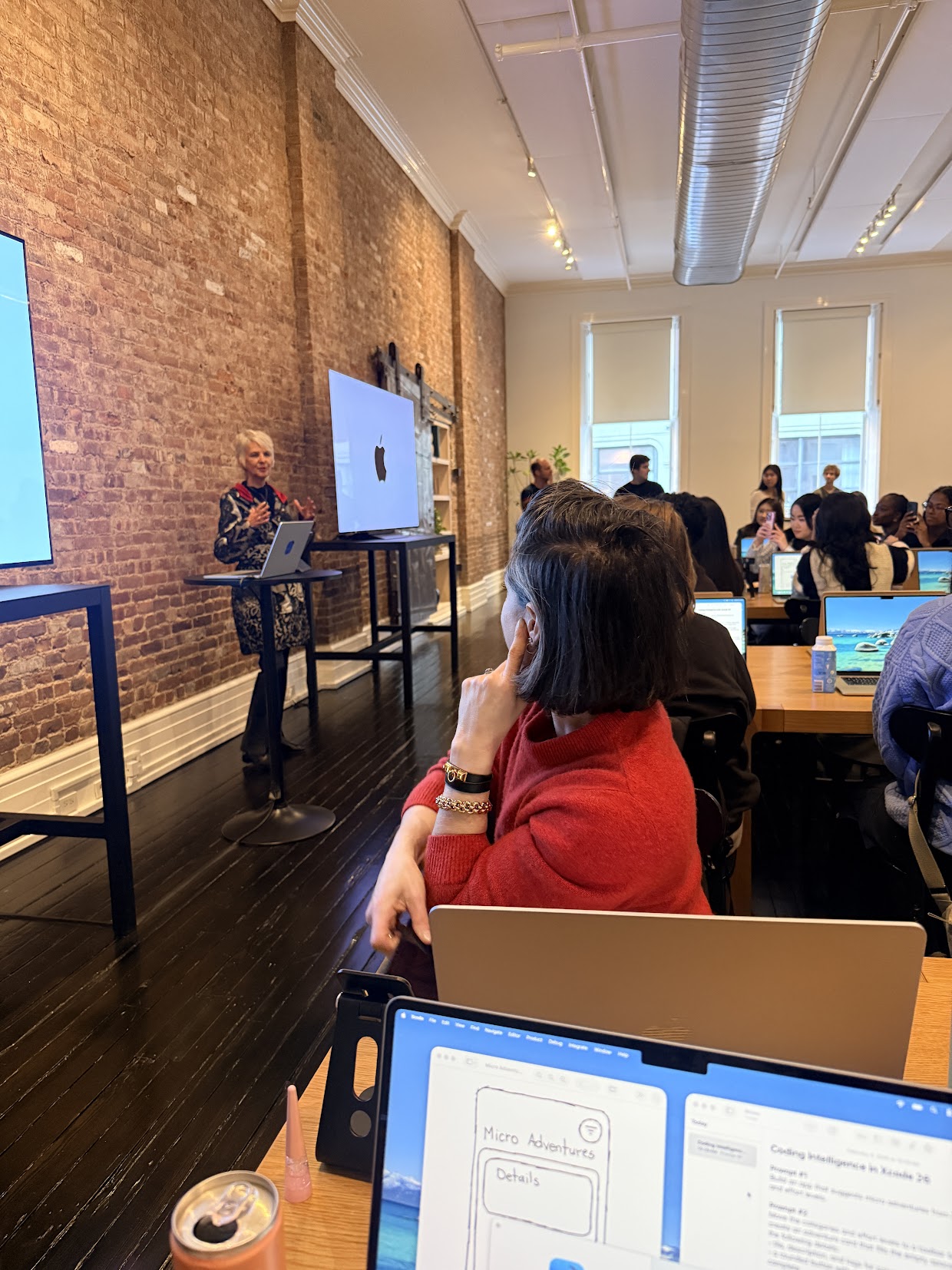
- A hands-on Xcode 26 workshop, showing how Apple is incorporating AI into the development process
- An interactive showcase with past Swift Student Challenge winners
- Live demos, conversations, and opportunities to hear directly from student developers about their creative process
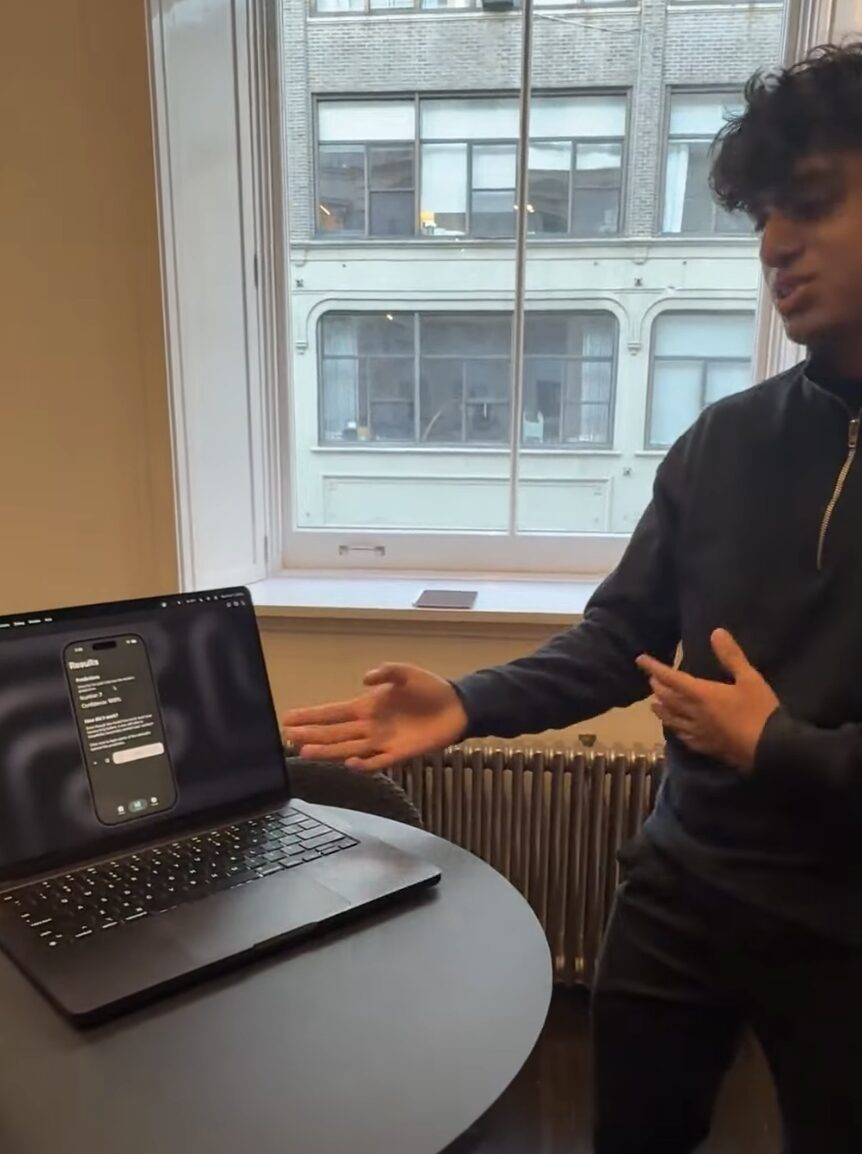
It was very much about possibility! I had an idea and I am going to spend the next few days trying to bring that idea to light. I called my son as soon as I got home and told him all about the challenge, but the beauty of app develeopment with Xcode is there are no time limits. You can be any age to use it! The day showed me just how accessible app creation can be when students (or people in general) are given the right tools and encouragement.
Meet The Student Panelist
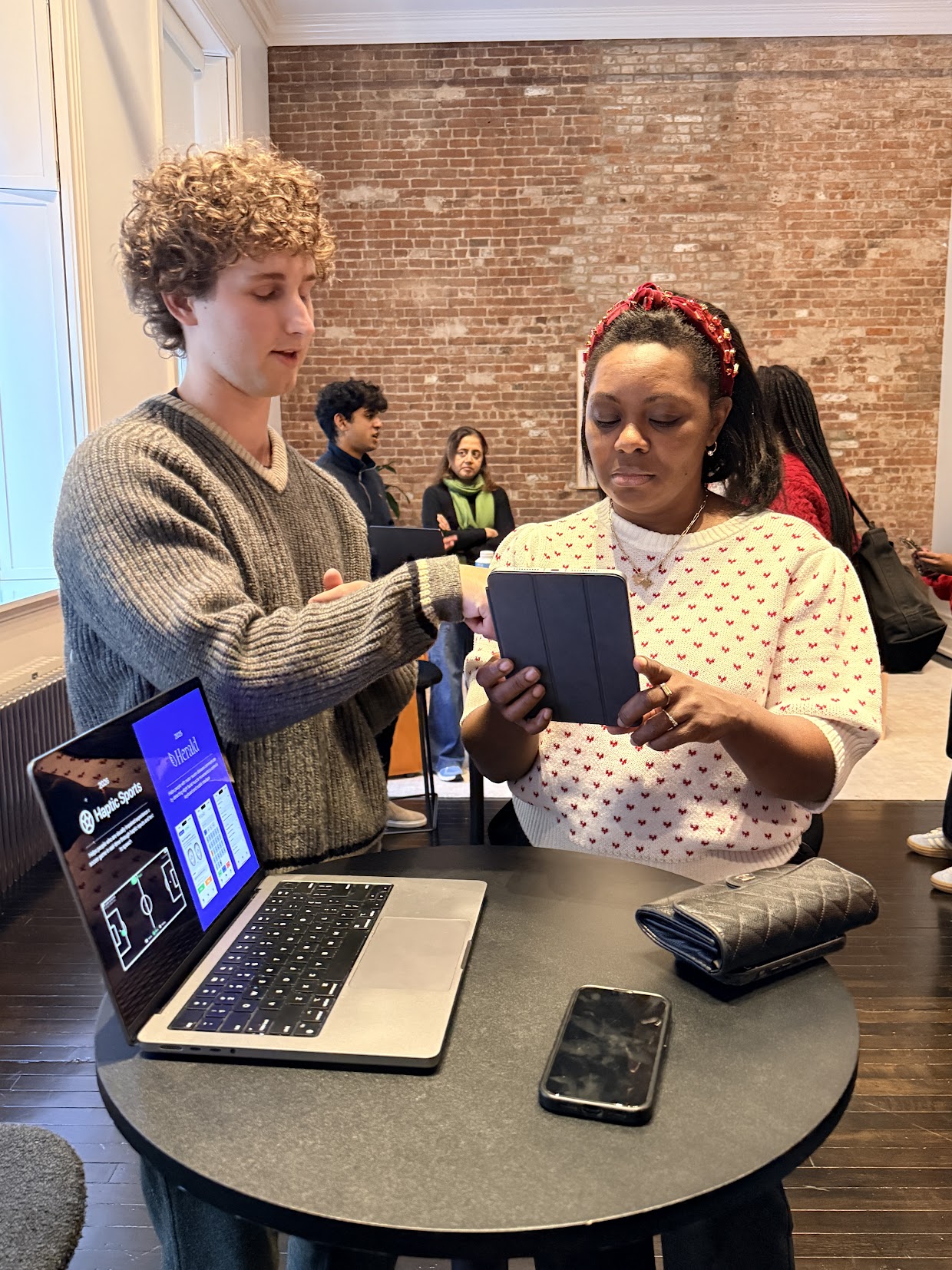
— Conor Ebeling (2025 Swift Student Challenge Distinguished Winner) is a self-taught programmer and computer science student at Purdue, focused on creating software for people with health challenges. His winning app playground, Herald, allows users to control a keyboard using facial muscles and eye movements. For this year’s challenge, Conor builds upon his passion for accessibility with Haptic Sports, an app that allows users with low vision to experience a sporting event by feeling the ball’s movement through haptics on iPhone.
— Mayank Tiku (2025 Swift Student Challenge Winner) is a 17-year-old app developer and high school senior. His winning app, Neura: Learn ML is published on the App Store, which is an interactive educational program that breaks down machine learning. For this year’s Swift Student Challenge, Mayank created Verbum, an educational app that demystifies large language models and shows how they can be used in everyday life. Built with Apple’s Foundation Models framework, Verbum has an on-device chatbot that offers lessons on using LLMs to create practical content, from graphs and spreadsheets to maps, that’s relevant and useful to users.
— Michelle Han (2025 Swift Student Challenge Winner) is a freshman at MIT, studying computer science and cognitive science. Her winning app, Reflexion, is published on the App Store, which provides private journaling for mental health, offering real-time guidance that’s secure across devices. Glimmer, Michelle’s app for this year’s Swift Student Challenge, enables users to save positive daily moments by logging them as flowers in a digital garden. Users can add photos and descriptions for each memory and “water” them with revisits.
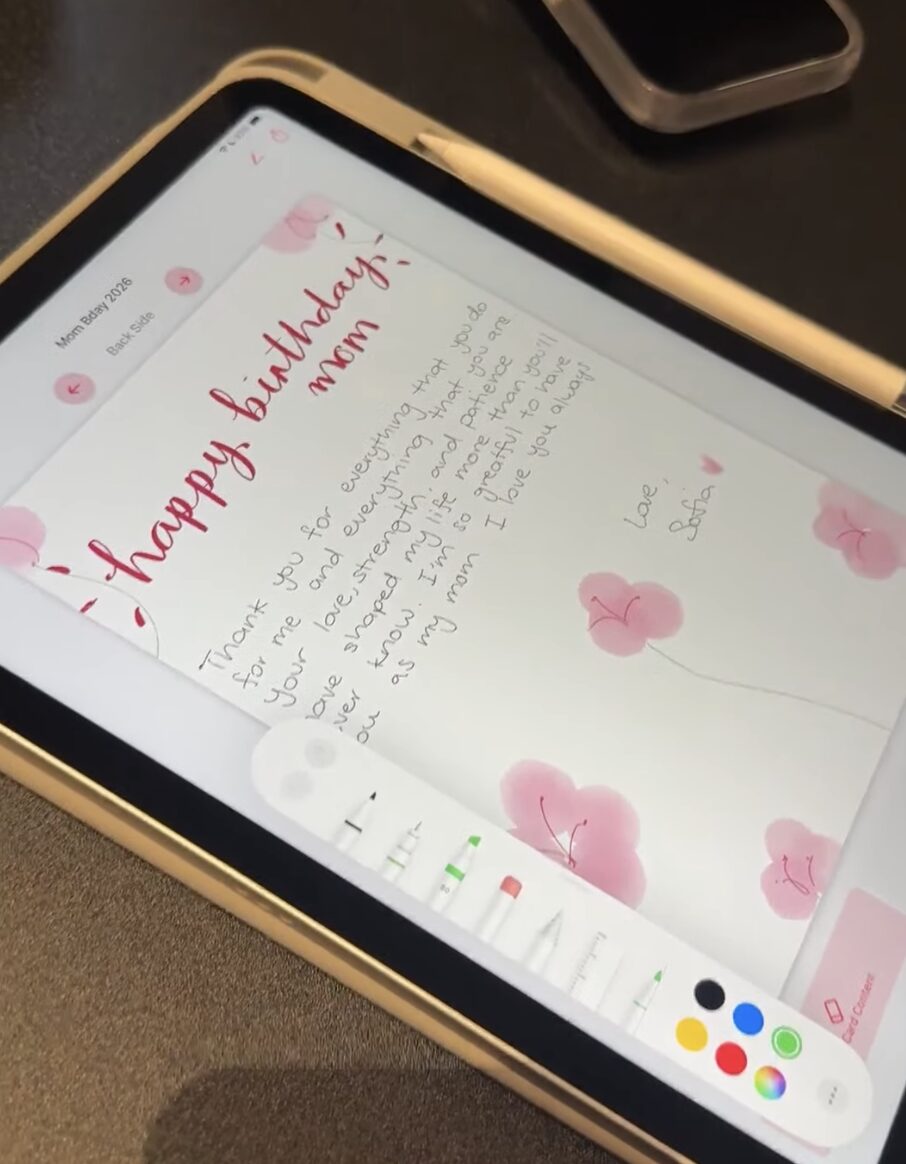
— Sofia Sandoval (2025 Swift Student Challenge Winner) is a student at the Tecnológico de Monterrey studying computer science. She is the creator behind Cariño, an app allowing users to send heartfelt letters anywhere, anytime, bringing the experience of creating physical greeting cards into the digital age. For this year’s Swift Student Challenge, Sofia developed Lily, a digital photo app that organizes key life moments into shareable “Lillies” that blossom in a flower petal pattern as more memories are added.
— Nahom Worku (2025 Swift Student Challenge Distinguished Winner) is a fifth-year student at York University in Toronto. His winning app playground, AccessEd, focuses on offering improved access to education with offline course selector tools and flashcard study tools. For 2026, Nahom expands upon AccessEd by leveraging Apple’s Foundation Models framework to create an AI chatbot that responds to students’ questions and generates quizzes and flashcards from uploaded documents, all entirely offline.
If you could create any app, what would it be???