
Is your child interested in ocean creatures, the continental shelf, and the deepest diving marine mammal? Want to put their knowledge to the test with some kid-centric ocean trivia questions? We have over 100 for you to include in your next trivia games family night.
Dive into the mesmerizing world of our oceans with this enlightening article on ocean facts and trivia. Take this ocean quiz together and see just how much knowledge of the ocean your family really has! Good luck to you all.
100 General Ocean Trivia Questions
Here is a list of 100 ocean-related questions along with their answers, which can be educational and fun for kids to learn about the marine world:
- Q: What is the largest ocean in the world?A: The Pacific Ocean.
- Q: Can fish sleep?A: Yes, fish do rest but in a different way than humans.
- Q: Why is the ocean salty?A: The ocean is salty because of minerals washed down from rocks on land.
- Q: How deep is the ocean?A: The ocean’s average depth is about 12,080 feet (3,682 meters).
- Q: What causes waves?A: Waves are mostly caused by the wind.
- Q: What is the smallest ocean in the world?A: The Arctic Ocean.
- Q: Why is the ocean blue?A: The ocean is blue because water absorbs colors in the red part of the light spectrum and reflects the blue.
- Q: What are coral reefs?A: Coral reefs are large underwater structures composed of the skeletons of colonial marine invertebrates called coral.
- Q: Do sharks have bones?A: No, sharks have cartilage instead of bones.
- Q: What is the longest mountain range in the world?A: The Mid-Ocean Ridge, mostly under the ocean.
- Q: What is a tsunami?A: A tsunami is a series of huge waves caused by earthquakes or volcanic eruptions under the sea.
- Q: Are jellyfish fish?A: No, jellyfish are not fish; they are plankton.
- Q: What percentage of the Earth’s surface is covered by oceans?A: About 71%.
- Q: Can dolphins talk to each other?A: Dolphins communicate using a variety of clicks, whistle-like sounds and body language.
- Q: What is the biggest fish in the ocean?A: The whale shark.
- Q: What is an octopus’s ink used for?A: An octopus uses ink to distract predators and escape.
- Q: How many hearts does an octopus have?A: An octopus has three hearts.
- Q: What is the biggest mammal in the ocean?A: The blue whale.
- Q: Why do whales breach?A: Whales may breach for communication, to remove parasites, or just for play.
- Q: What ocean surrounds Antarctica?A: The Southern Ocean.
- Q: Can fish hear?A: Yes, fish can hear, but they sense the vibrations of sound through their bodies.
- Q: What is a group of fish called?A: A school or shoal.
- Q: How do fish breathe underwater?A: Fish breathe underwater by extracting oxygen from water through their gills.
- Q: What causes tides?A: Tides are caused by the gravitational pull of the moon and the sun.
- Q: What is a baby shark called?A: A baby shark is called a pup.
- Q: How do seahorses swim?A: Seahorses swim upright and use their dorsal fin to move forward.
- Q: What is the largest type of whale?A: The blue whale is the largest type of whale.
- Q: Do sea turtles come on land?A: Yes, female sea turtles come on land to lay their eggs.
- Q: What is a marine biologist?A: A marine biologist studies living organisms in the ocean and other saltwater environments.
- Q: What is the most common type of pollution in the oceans?A: Plastic pollution is the most common.
- Q: Why do penguins huddle together?A: Penguins huddle together to keep warm.
- Q: Can fish drown?A: Yes, fish can drown if there isn’t enough oxygen in the water.
- Q: What is the fastest fish in the ocean?A: The sailfish is considered the fastest fish in the ocean.
- Q: What do sea stars eat?A: Sea stars eat clams, oysters, and mussels.
- Q: Can coral move?A: Most corals do not move, but some coral species can.
- Q: What is the deepest part of the ocean?A: The Mariana Trench is the deepest part of the ocean.
- Q: How do oysters make pearls?A: Pearls are formed inside oysters as a defense against foreign substances.
- Q: What is bioluminescence?A: Bioluminescence is the production of light by living organisms.
- Q: How many arms does a starfish have?A: Most starfish have five arms, but some can have more.
- Q: Why do fish swim in schools?A: Fish swim in schools for protection, social interaction, and efficient foraging.
- Q: What is the biggest shell in the world?A: The largest shell is from the giant clam.
- Q: How long can a dolphin hold its breath?A: Dolphins can hold their breath for about 8 to 10 minutes.
- Q: What is an ecosystem?A: An ecosystem is a community of living organisms and their physical environment.
- Q: Can all fish swim backwards?A: No, not all fish can swim backwards.
- Q: How long can sea turtles live?A: Some sea turtles can live for 50 years or more.
- Q: Why do crabs walk sideways?A: Crabs walk sideways because of the structure of their legs.
- Q: What is plankton?A: Plankton is small and microscopic organisms drifting in the sea.
- Q: Can whales breathe underwater?A: No, whales need to come to the surface to breathe air.
- Q: How do squids move?A: Squids move by squirting water from their bodies for propulsion.
- Q: What is a group of jellyfish called?A: A group of jellyfish is called a bloom, swarm, or smack.
- Q: Do all fish lay eggs?A: No, some fish give live birth.
- Q: What is the largest species of shark?A: The whale shark is the largest shark species.
- Q: Can fish taste?A: Yes, fish have taste buds and can taste.
- Q: Why do some fish have bright colors?A: Bright colors can be used for attracting mates, camouflage, or warning predators.
- Q: What is the biggest sea turtle?A: The leatherback sea turtle is the largest.
- Q: How do lobsters communicate?A: Lobsters communicate by releasing pheromones and by making noises with their claws and antennae.
- Q: What is the purpose of a fish’s fins?A: Fins help fish move, steer, stop, and balance in the water.
- Q: How do mussels attach to rocks?A: Mussels use strong thread-like structures called byssal threads to attach to surfaces.
- Q: Why do some fish glow in the dark?A: Some fish glow due to bioluminescence, which they use for attracting prey or mates, or for camouflage.
- Q: What is the difference between a sea and an ocean?A: Seas are smaller than oceans and are usually located where the land and ocean meet.
- Q: Do seahorses change color?A: Yes, seahorses can change color to camouflage or communicate.
- Q: What causes coral bleaching?A: Coral bleaching is caused by environmental stress, like warm water temperatures.
- Q: How do fish get oxygen in the water?A: Fish extract oxygen from water through their gills.
- Q: What is a narwhal’s tusk for?A: A narwhal’s tusk is a sensory organ with millions of nerve endings.
- Q: Why do some fish live in saltwater and others in freshwater?A: Different fish are adapted to different water environments due to evolution.
- Q: How do sharks sense their prey?A: Sharks use their keen sense of smell and electroreceptors called ampullae of Lorenzini.
- Q: What is the purpose of a dolphin’s dorsal fin?A: The dorsal fin provides stability while swimming.
- Q: Do all oceans have the same level of salinity?A: No, salinity varies in different oceans and seas.
- Q: How do sea anemones eat?A: Sea anemones catch prey with their tentacles and then move it to their mouth.
- Q: What is the function of a whale’s blubber?A: Blubber provides insulation and energy storage for whales.
- Q: Can sea urchins see?A: Sea urchins do not have traditional eyes, but they can sense light and dark.
- Q: What is the difference between a seal and a sea lion?A: Seals have small flippers and cannot walk on land well, whereas sea lions have large flippers and can walk on land.
- Q: Why do some fish live at the bottom of the ocean?A: Some fish live at the bottom for protection, food, or because they are adapted to high-pressure environments.
- Q: How long can whales live?A: Some whale species can live over 100 years.
- Q: What is a mangrove forest?A: A mangrove forest is a coastal wetland with salt-tolerant trees and shrubs.
- Q: Can all sea creatures swim?A: No, some sea creatures like starfish and sea urchins do not swim.
- Q: What is the most dangerous shark?A: The great white shark is often considered the most dangerous.
- Q: What do hermit crabs use shells for?A: Hermit crabs use shells for protection.
- Q: Why do some fish live in groups?A: Living in groups provides protection and increases the efficiency of finding food.
- Q: What is the difference between hard and soft corals?A: Hard corals build reefs, while soft corals do not have a hard skeleton.
- Q: How do sea turtles find their way back to the beach where they were born?A: Sea turtles use the Earth’s magnetic field and other cues to navigate.
- Q: What is a marine sanctuary?A: A marine sanctuary is a protected area in the ocean, often set aside for conservation.
- Q: Why do some fish have scales?A: Scales protect fish and reduce water resistance when swimming.
- Q: What is a sea cucumber?A: A sea cucumber is a soft-bodied, marine animal living on the seafloor.
- Q: How do clams eat?A: Clams filter small food particles from the water.
- Q: What causes the ocean currents?A: Ocean currents are caused by wind, the rotation of the Earth, and differences in water density.
- Q: What is the purpose of a fish’s tail?A: A fish’s tail provides propulsion and steering.
- Q: How do dolphins sleep?A: Dolphins sleep by resting one side of their brain at a time while the other side remains alert.
- Q: Can lobsters regrow limbs?A: Yes, lobsters can regrow lost limbs.
- Q: What is the coldest ocean?A: The Southern Ocean is the coldest.
- Q: Why do octopuses have suckers on their arms?A: Octopuses use suckers to grasp objects and capture prey.
- Q: What is the purpose of a shark’s fin?A: A shark’s fins provide stability, steering, and propulsion.
- Q: How do fish stay afloat?A: Fish use their swim bladder to control buoyancy.
- Q: What is a group of whales called?A: A group of whales is called a pod.
- Q: Can seashells hear the ocean?A: No, the sound you hear is the echo of blood circulating in your own ear.
- Q: How do jellyfish sting?A: Jellyfish sting using tentacles that have tiny, venomous cells.
- Q: What do sea otters eat?A: Sea otters eat sea urchins, crabs, snails, and small fish.
- Q: Why do some fish migrate?A: Fish migrate for breeding, feeding, or due to seasonal changes.
- Q: How long can a whale shark grow?A: Whale sharks can grow up to 40 feet (12 meters) long.
- Q: What is a sea sponge?A: A sea sponge is a simple, porous animal that lives on the ocean floor.
These questions and answers cover a broad range of topics and can spark curiosity and learning about marine life and oceanography in children.
Questions About The Great Barrier Reef
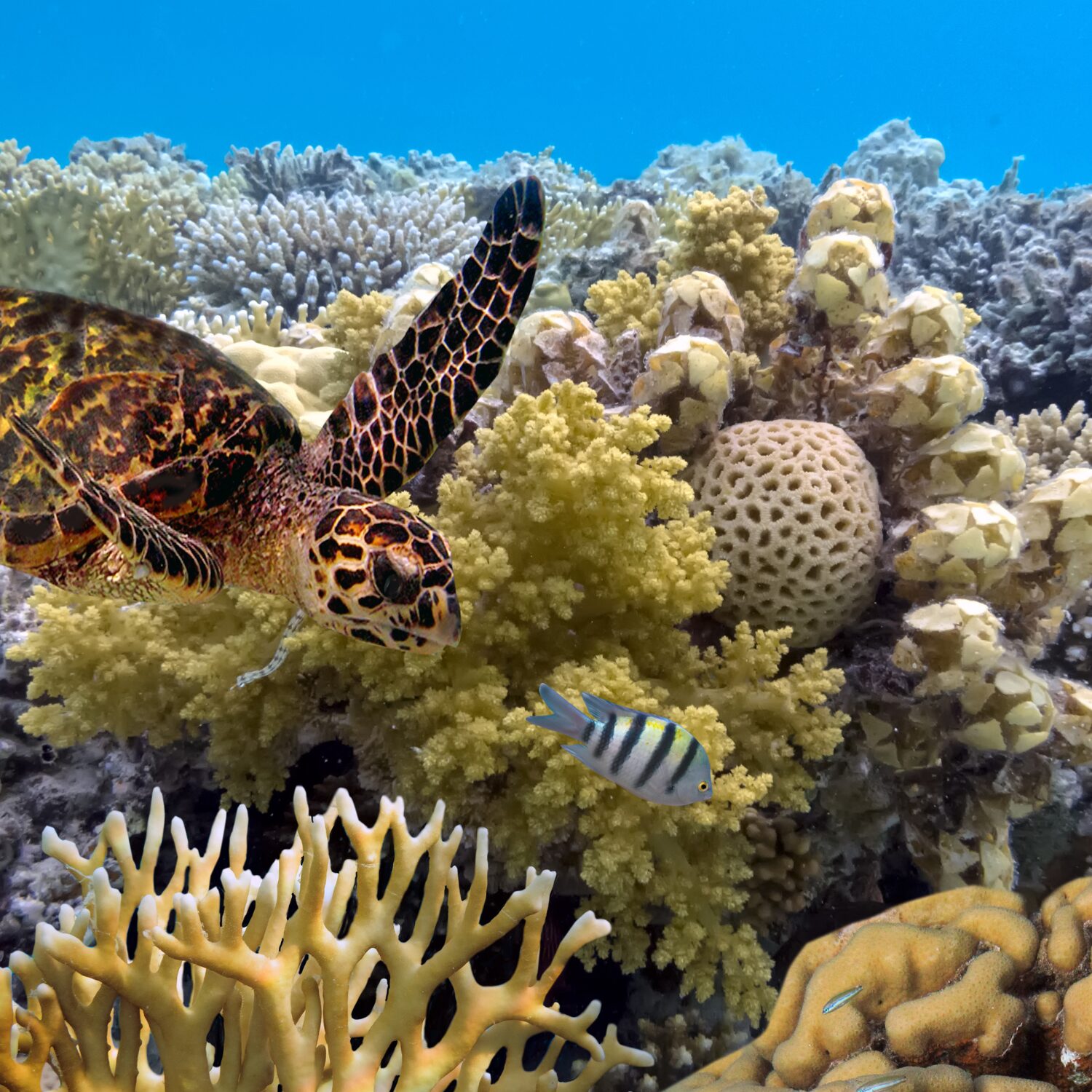
Here are 10 questions and answers about the Great Barrier Reef, one of the world’s most fascinating natural wonders:
- Q: Where is the Great Barrier Reef located?A: The Great Barrier Reef is located in the Coral Sea, off the coast of Queensland, Australia.
- Q: How large is the Great Barrier Reef?A: The Great Barrier Reef is the world’s largest coral reef system, stretching over 2,300 kilometers (1,430 miles) and covering an area of approximately 344,400 square kilometers.
- Q: What types of marine life can be found in the Great Barrier Reef?A: The reef is home to a diverse range of marine life, including over 1,500 species of fish, 411 types of hard coral, one-third of the world’s soft corals, 134 species of sharks and rays, six of the world’s seven species of threatened marine turtles, and more than 30 species of marine mammals.
- Q: Is the Great Barrier Reef visible from space?A: Yes, the Great Barrier Reef is one of the few natural wonders visible from space.
- Q: What is the significance of the Great Barrier Reef to the environment?A: The reef supports a tremendous diversity of life, including many vulnerable or endangered species. It also plays a vital role in maintaining the balance of the marine environment.
- Q: What are the main threats to the Great Barrier Reef?A: Major threats include climate change, ocean acidification, pollution, overfishing, and outbreaks of crown-of-thorns starfish, which feed on coral.
- Q: Can tourists visit the Great Barrier Reef?A: Yes, the Great Barrier Reef is a major tourist destination. Activities like snorkeling, diving, and boat tours allow visitors to explore the reef.
- Q: How old is the Great Barrier Reef?A: The current Great Barrier Reef is estimated to be around 8,000 years old, although the ecosystems that form the reef have been developing over millions of years.
- Q: Why is the Great Barrier Reef important for scientific research?A: It offers invaluable insights into coral reef ecosystems, the impact of climate change on marine environments, and the conservation of marine biodiversity.
- Q: What conservation efforts are in place for the Great Barrier Reef?A: The Great Barrier Reef Marine Park Authority manages the reef to ensure its sustainability. Efforts include monitoring the reef’s health, controlling fishing, reducing pollution, and improving water quality. Additionally, it’s a UNESCO World Heritage Site, which helps in international conservation efforts.
These questions and answers provide a glimpse into the extraordinary world of the Great Barrier Reef, highlighting its ecological importance, beauty, and the challenges it faces.
Questions about the world’s oceans
Here are 10 informative questions and answers about the world’s oceans:
- Q: How many oceans are there in the world?A: There are five main oceans in the world: the Pacific Ocean, Atlantic Ocean, Indian Ocean, Southern Ocean, and the Arctic Ocean.
- Q: Which is the largest ocean in the world?A: The Pacific Ocean is the largest, covering more than 30% of the Earth’s surface.
- Q: What percentage of the Earth’s water is in the oceans?A: About 97% of the Earth’s water is contained in the oceans.
- Q: How deep is the deepest part of the ocean?A: The deepest part of the ocean is the Mariana Trench, which is about 36,070 feet (10,994 meters) deep.
- Q: Why is ocean water salty?A: Ocean water is salty because it contains minerals and salts washed down from the land and carried into the oceans by rivers and streams.
- Q: What is the significance of the Gulf Stream?A: The Gulf Stream is a powerful, warm ocean current in the North Atlantic Ocean that affects the climate of the eastern coast of North America and Western Europe, making it warmer.
- Q: What is the importance of the oceans to the Earth’s climate?A: Oceans play a crucial role in regulating the Earth’s climate. They absorb solar radiation and distribute heat around the globe through ocean currents.
- Q: How much of the ocean has been explored?A: It’s estimated that less than 5% of the world’s oceans have been explored.
- Q: What is the Great Barrier Reef?A: The Great Barrier Reef is the world’s largest coral reef system, located in the Coral Sea off the coast of Queensland, Australia. It’s known for its diverse marine life.
- Q: Why are oceans important for biodiversity?A: Oceans are home to a vast array of life, from tiny plankton to the largest whales. They provide essential habitats for millions of species, some of which are yet to be discovered.
These questions cover fundamental aspects of the world’s oceans, highlighting their size, depth, importance for climate and biodiversity, and their unique phenomena.
Questions About fresh water fish
Here are ten questions and answers about freshwater fish:
- Q: What are freshwater fish?A: Freshwater fish are species that spend some or all of their lives in fresh water, such as rivers, lakes, and streams, which have a salt concentration of less than 1%.
- Q: Can freshwater fish survive in saltwater?A: Generally, freshwater fish cannot survive in saltwater because their bodies are not adapted to osmoregulate in such a high-salinity environment.
- Q: What is the largest freshwater fish in the world?A: The Beluga sturgeon, found in the Caspian and Black Seas, is often considered the largest freshwater fish, with some individuals growing over 20 feet long.
- Q: How do freshwater fish breathe?A: Freshwater fish breathe through gills that extract dissolved oxygen from water.
- Q: What are some common examples of freshwater fish?A: Common freshwater fish include bass, trout, catfish, goldfish, and pike.
- Q: What is the main diet of freshwater fish?A: The diet of freshwater fish varies widely depending on the species. It can include plankton, insects, smaller fish, algae, and detritus.
- Q: Are there freshwater fish that are predators?A: Yes, some freshwater fish are predators. Examples include the pike and piranha, which are known for their predatory behavior.
- Q: How do freshwater fish adapt to their environment?A: Freshwater fish adapt through various means such as developing specialized breathing organs, unique reproductive strategies, and body shapes and colors that help them in their specific freshwater habitat.
- Q: Can freshwater fish be found all over the world?A: Yes, freshwater fish can be found in nearly all geographic regions across the world, in a variety of freshwater habitats.
- Q: What are some threats to freshwater fish populations?A: Threats include pollution, habitat destruction, overfishing, invasive species, and climate change.
These questions cover a broad range of topics about freshwater fish, including their biology, ecology, and conservation issues.
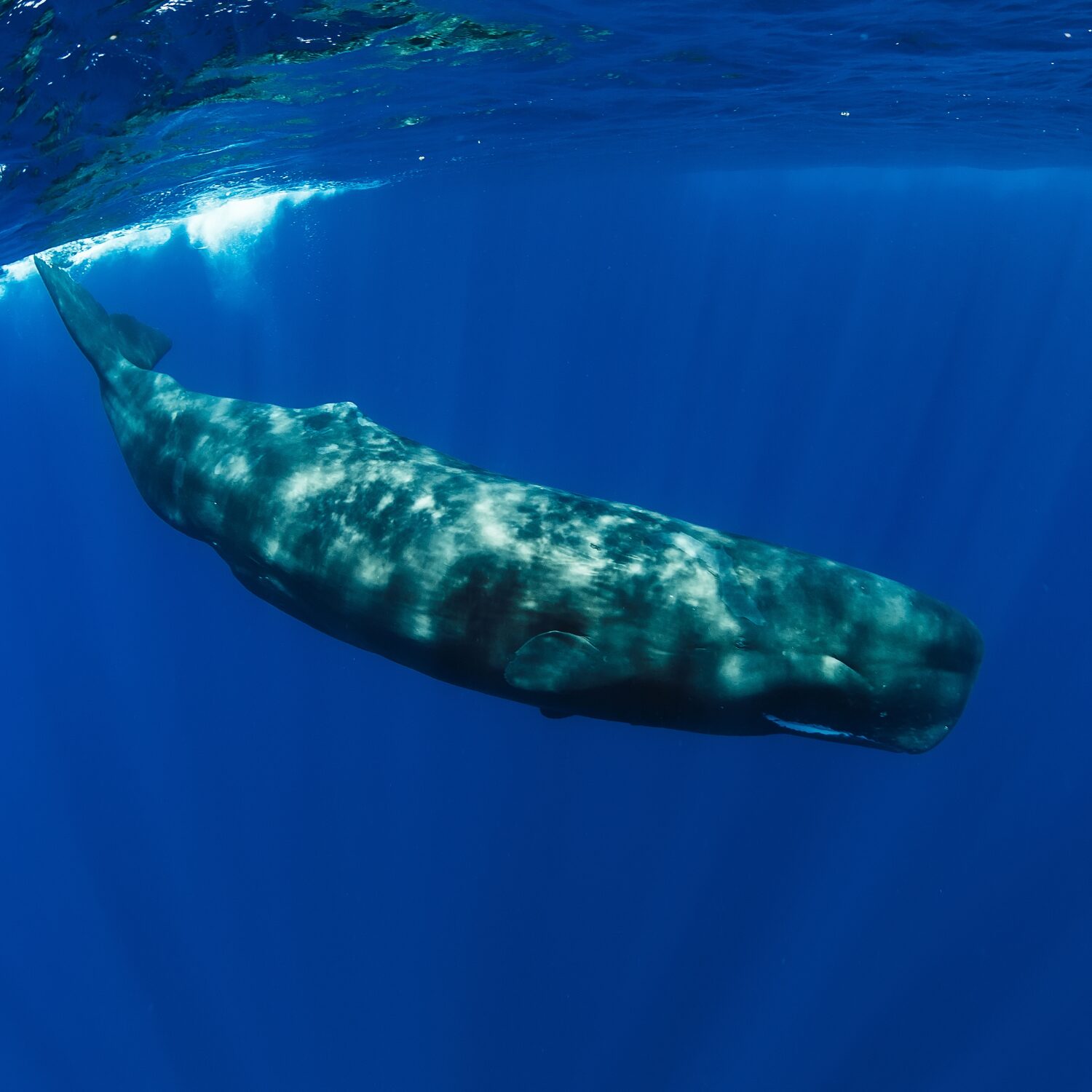
Questions About The Sperm Whale
Here are 10 questions and answers about sperm whales, one of the most fascinating marine creatures:
- Q: What is a sperm whale?A: A sperm whale is a large marine mammal and the largest of the toothed whales. It’s scientifically known as Physeter macrocephalus.
- Q: Why is it called a sperm whale?A: The name “sperm whale” comes from the spermaceti organ located in its head, which was originally mistaken for sperm by early whalers.
- Q: How big can sperm whales get?A: Male sperm whales can grow up to 60 feet (18 meters) long, while females are smaller, typically reaching 36 feet (11 meters).
- Q: What do sperm whales eat?A: Sperm whales primarily eat squid, including giant and colossal squids, but they also consume a variety of fish and other deep-sea creatures.
- Q: How deep can sperm whales dive?A: Sperm whales are among the deepest diving mammals, capable of diving to depths over 2,000 meters (6,560 feet) and holding their breath for up to 90 minutes.
- Q: How do sperm whales communicate?A: Sperm whales communicate using a series of clicks, known as echolocation, to navigate and locate prey in the dark depths of the ocean.
- Q: Where can sperm whales be found?A: Sperm whales are found in many open oceans, both in tropical and temperate waters, but they tend to avoid the extreme polar regions.
- Q: What is unique about the sperm whale’s head?A: The sperm whale has the largest brain of any animal known to have lived on Earth. Its head also houses the spermaceti organ, which is filled with a waxy substance.
- Q: Are sperm whales social animals?A: Yes, sperm whales are social creatures. Females and their young live in groups, while males tend to be more solitary or form smaller bachelor groups.
- Q: Are sperm whales endangered?A: Sperm whales are currently classified as vulnerable by the IUCN. While their populations have increased since the ban on commercial whaling, they still face threats from ship strikes, entanglement in fishing gear, and ocean noise pollution.
These questions provide insights into the biology, behavior, and conservation status of sperm whales, highlighting their significance in the marine ecosystem.
Questions About Marine Plants
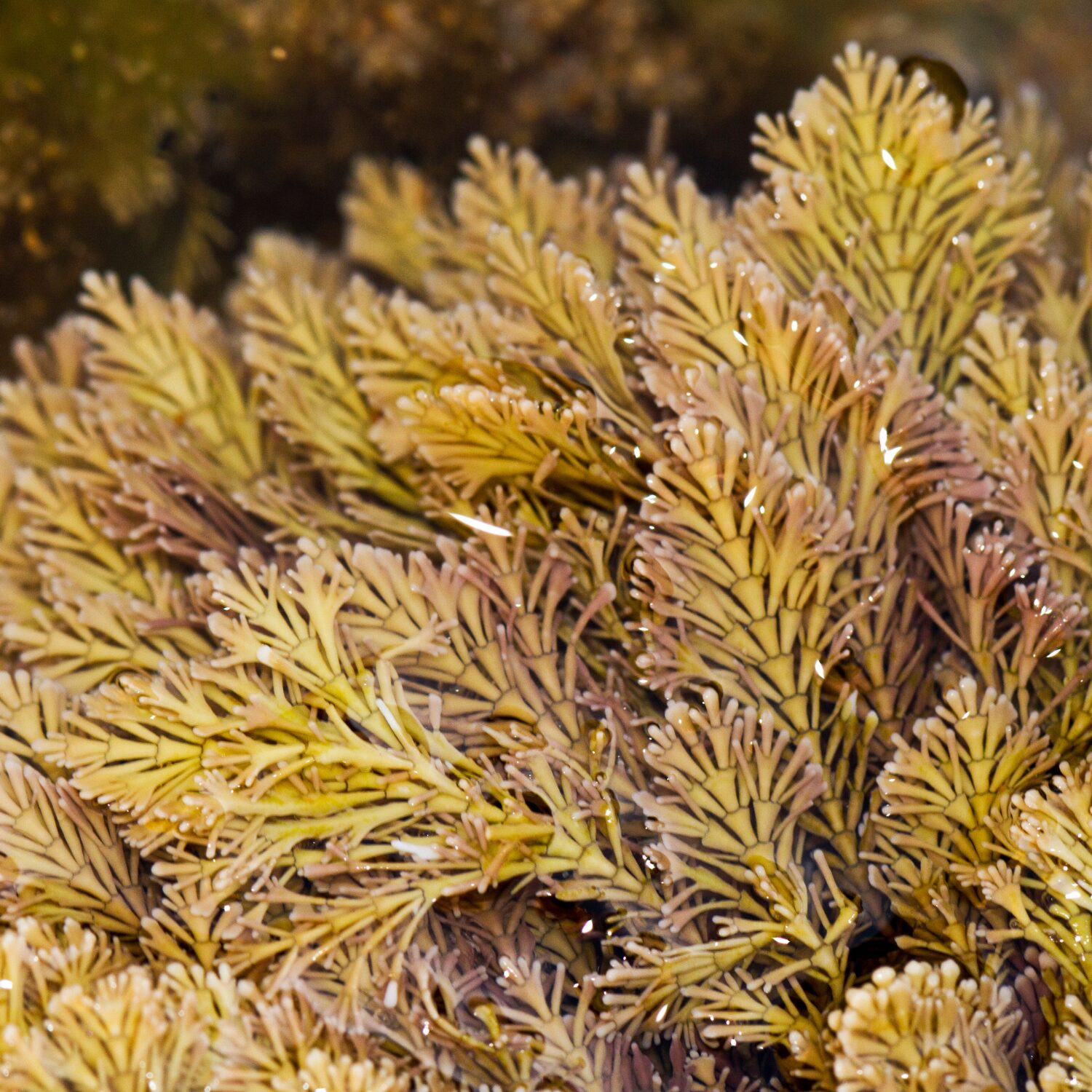
Here are 10 questions and answers about marine plants, which play a crucial role in the health and ecology of marine environments:
- Q: What are marine plants?A: Marine plants are species of flora that live in saltwater environments like oceans, seas, and salt marshes. They include seaweeds, sea grasses, and mangroves.
- Q: How do marine plants differ from terrestrial plants?A: Marine plants have adapted to the saltwater environment with features like flexible stems, special root systems for anchoring in shifting substrates, and methods to deal with salt concentration.
- Q: What is the most common type of marine plant?A: Seaweeds, such as kelp and algae, are among the most common types of marine plants.
- Q: How do marine plants contribute to the ocean’s ecosystem?A: Marine plants produce oxygen through photosynthesis, provide habitat and food for marine life, and help in carbon sequestration, reducing atmospheric CO2 levels.
- Q: Can marine plants be used by humans?A: Yes, marine plants are used in various ways, including as food (like seaweed in sushi), in cosmetics, as fertilizers, and in medicines.
- Q: What is kelp, and why is it important?A: Kelp is a large brown algae commonly found in kelp forests. It’s important for providing habitat and food for a variety of marine organisms and helps protect coastlines from erosion.
- Q: What are mangroves, and where are they found?A: Mangroves are trees that grow in coastal saline or brackish water, primarily in tropical and subtropical regions. They are crucial for coastal protection and provide a habitat for a wide range of species.
- Q: How do marine plants reproduce?A: Marine plants reproduce in various ways, including by releasing spores or seeds, fragmentation, or vegetative reproduction.
- Q: Are marine plants threatened?A: Yes, marine plants are threatened by pollution, climate change, habitat destruction, and invasive species, which can lead to the degradation of the ecosystems they support.
- Q: What is seagrass, and why is it important?A: Seagrass refers to a group of flowering plants that grow in shallow, sheltered marine waters. They are important for stabilizing the seabed, providing food and habitat for marine life, and are efficient at carbon sequestration.
These questions and answers shed light on the diversity, ecological importance, and threats faced by marine plants, underlining their critical role in marine ecosystems.
Questions about the most venomous fish in the world
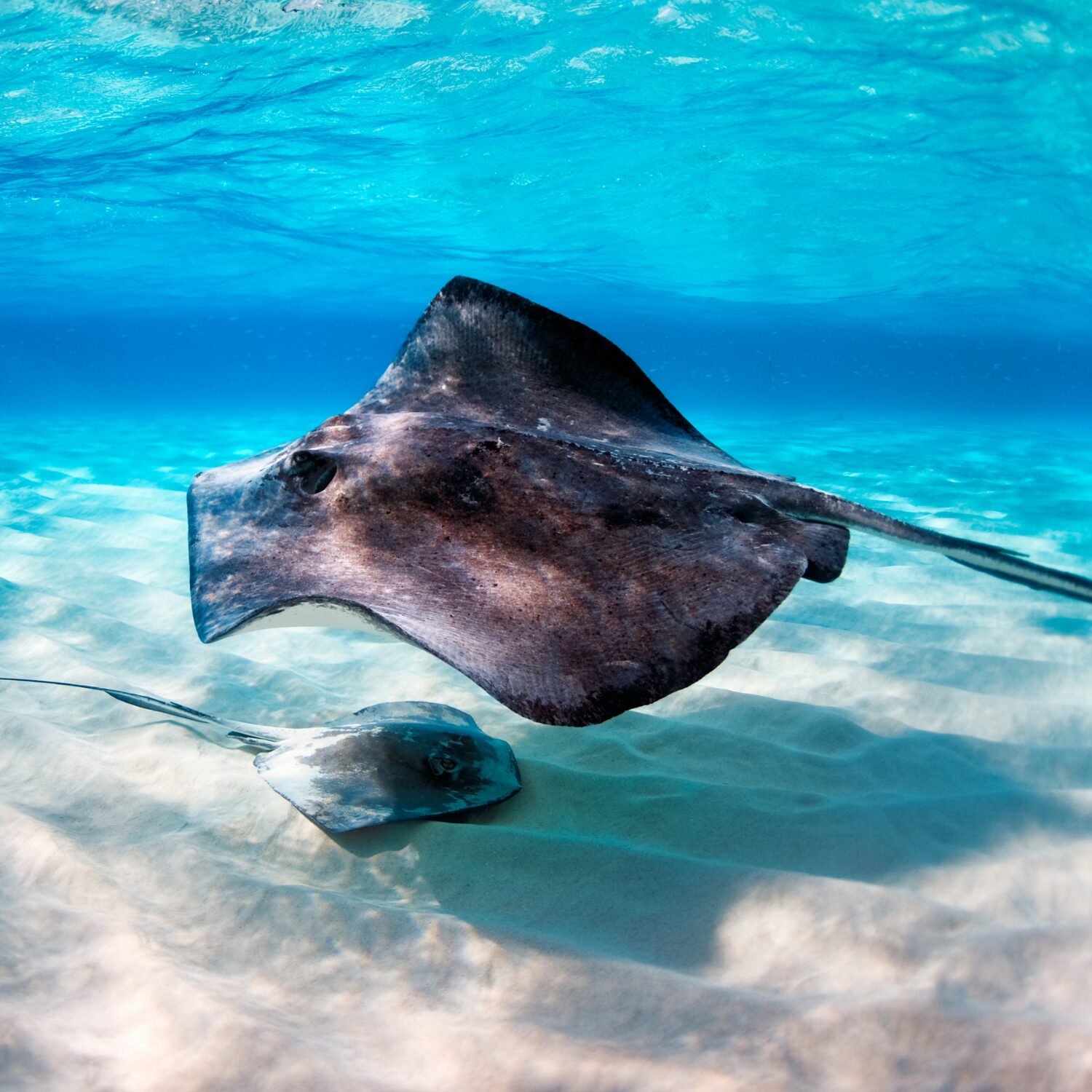
Here are 10 questions and answers about some of the most venomous fish in the world:
- Q: What is the most venomous fish in the world?A: The stonefish is considered the most venomous fish in the world. Its venomous spines can deliver a potentially fatal sting.
- Q: How does the lionfish deliver its venom?A: The lionfish has venomous spines along its back, which it uses to deliver venom when threatened or disturbed.
- Q: What is a stingray and how can it be dangerous?A: Stingrays are flat-bodied rays noted for the stinger located on their tail, which can deliver a venomous and painful sting.
- Q: Can a pufferfish be venomous?A: Yes, pufferfish contain tetrodotoxin, a potent neurotoxin, in their internal organs, making them highly poisonous if consumed improperly.
- Q: What is unique about the venom of a stonefish?A: Stonefish venom is extremely painful and can be lethal. It can cause shock, paralysis, and tissue death if not treated quickly.
- Q: How do box jellyfish compare to venomous fish?A: Although not a fish, the box jellyfish is often compared to venomous fish due to its highly toxic sting. It’s considered one of the most venomous marine creatures.
- Q: Is the blue-ringed octopus considered a venomous ‘fish’?A: While not a fish, the blue-ringed octopus is often mentioned in discussions about venomous marine animals. It carries a venom capable of causing respiratory failure and paralysis.
- Q: What is the scorpionfish, and how is it venomous?A: Scorpionfish are a group of venomous fish that have sharp spines coated with venomous mucus, used for defense against predators.
- Q: Can handling a catfish be dangerous?A: Some species of catfish have venomous spines on their fins, which can cause painful wounds and, in rare cases, more severe reactions.
- Q: What should you do if stung by a venomous fish?A: If stung by a venomous fish, seek medical attention immediately. In the meantime, rinse the wound with seawater, remove any spines carefully, and apply heat to the affected area, as heat can break down some toxins.
These questions highlight the diversity and nature of some of the most venomous fish and related marine creatures, emphasizing the importance of caution and respect for marine life.
Interesting Ocean Facts For Kids
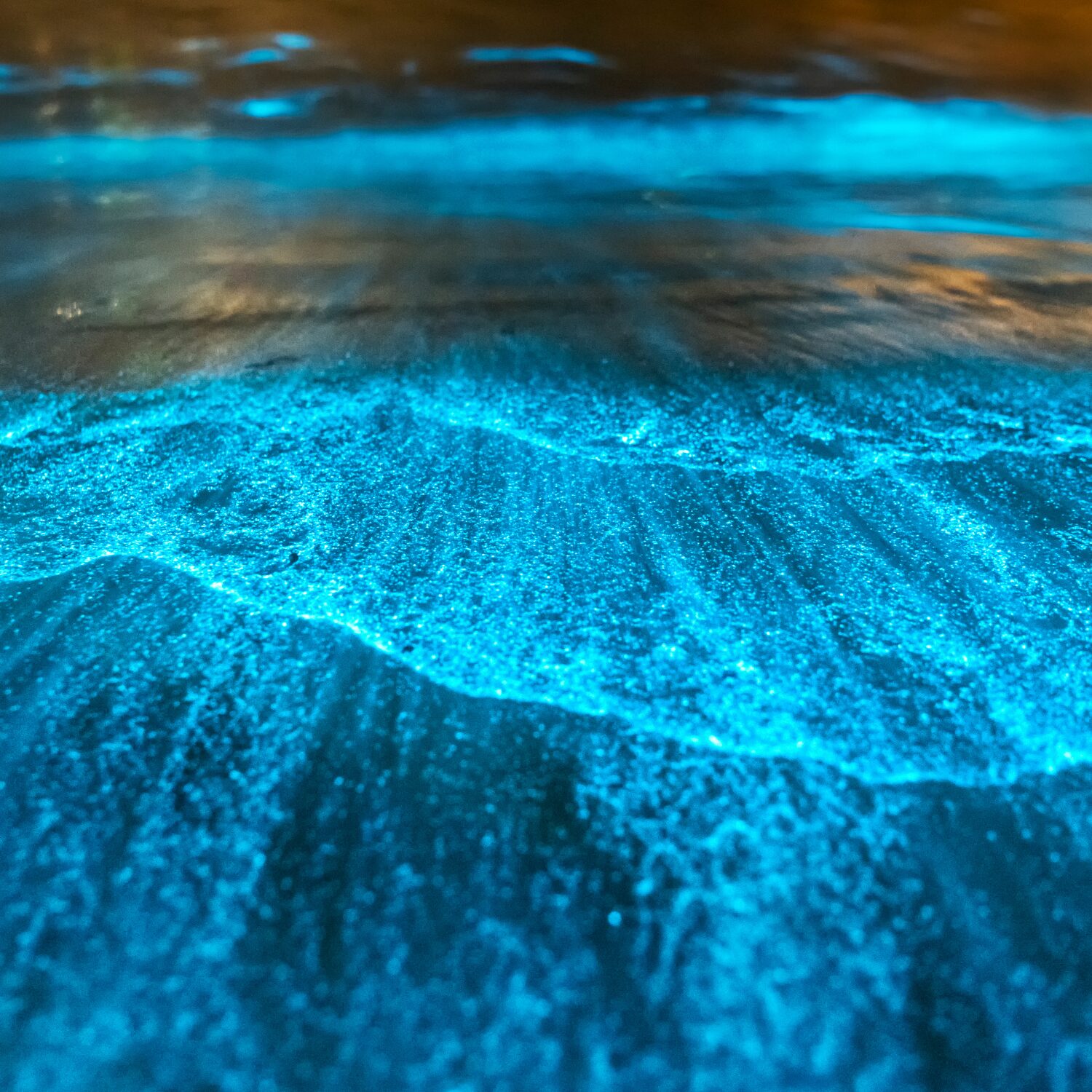
Here are 10 interesting ocean trivia facts that are educational and fun for kids:
- Bioluminescent Oceans: Some ocean creatures, like certain jellyfish and plankton, can glow in the dark. This is called bioluminescence, and it’s used for attracting prey or communicating.
- Underwater Volcanoes: The ocean floor is dotted with volcanoes. Some are even more active than those on land. These underwater volcanoes can form islands over time.
- The Ocean’s ‘Lungs’: Phytoplankton, tiny plants in the ocean, produce at least 50% of the Earth’s oxygen, acting as the lungs of our planet.
- Mount Everest Underwater: The tallest mountain on Earth is Mount Everest. However, if measured from the ocean floor, Mauna Kea, a volcano in Hawaii, is over 10,000 meters tall, compared to Everest’s 8,848 meters.
- The Giant Squid: The giant squid has the largest eyes in the animal kingdom, about the size of a dinner plate, which helps it see in the deep ocean.
- The Ocean’s Deep Trenches: The Mariana Trench is the deepest part of the world’s oceans and is deeper than the height of Mount Everest.
- The Great Barrier Reef: The Great Barrier Reef, off the coast of Australia, is the largest living structure on Earth and can even be seen from space.
- Salt in the Ocean: If all the salt in the ocean were spread evenly over the Earth’s land surface, it would form a layer more than 500 feet thick.
- Underwater Waterfalls: The world’s largest waterfall is underwater between Greenland and Iceland. This Denmark Strait cataract moves 175 million cubic feet of water per second.
- The Ocean’s Blue Color: The ocean appears blue because water absorbs colors in the red part of the light spectrum, and blue light is scattered, making the sea appear blue to our eyes.
These fascinating facts can help spark kids’ interest in learning more about our oceans and the amazing world beneath the waves.
We hope this journey through the incredible ocean facts and trivia has been as enlightening as it was fascinating. The world’s oceans are a vast expanse of wonder, teeming with life and mysteries yet to be uncovered. Do you feel like you can each call yourself ocean experts now that you’ve dove to the deepest ocean depths? There’s always more to learn! But these fun facts of ocean knowledge were a great place to start.
- Freshwater Fish Aquarium Care Tips For Beginners
- 100 Who Knows Me Best Questions
- 100 Geography Questions To Ask Kids
- 225 Questions To Get To Know Yourself
- 100 Questions To Ask Your Son Or Daughter
- 100 Funny Questions To Ask Your Kids
- 100 Science Quiz Questions To Ask
.