
Weed control in rock gardens and gravel paths is a common challenge many homeowners face. Unlike traditional gardens where soil and greenery dominate, rock landscapes’ unique texture and structure offer a different set of challenges for maintaining their beauty and health.

The presence of weeds among rocks and gravel not only detracts from the visual appeal of your outdoor space but can also lead to more significant issues over time. These unwanted plants compete with your desired flora for nutrients, water, and sunlight, potentially hindering the growth of ornamental plants that add beauty to your rock garden. Moreover, some weeds are known to be invasive, spreading rapidly and becoming increasingly difficult to manage.

Preventive Measures
Preventing weeds from taking root in rocky landscapes is key to maintaining their beauty and minimizing maintenance efforts. By implementing effective preventive measures, homeowners can significantly reduce the emergence of unwanted vegetation.
Landscape Fabric: One of the most effective preventive measures is the use of landscape fabric, a permeable material that allows water and air to pass through while blocking sunlight from reaching the soil. This inhibits weed seed germination. When installing landscape fabric, ensure it covers the entire area before laying down rocks or gravel, overlapping edges by at least 6 inches to prevent weed growth in the seams.
Pre-Emergent Herbicides: Applying a pre-emergent herbicide forms an invisible barrier on the soil surface that stops weeds from sprouting. It’s crucial to apply these herbicides before weed seeds germinate, typically in early spring or fall. Follow the manufacturer’s instructions carefully for the best results, and choose a product that’s safe for the surrounding plants and wildlife.
Mulching: In areas where rocks and gravel are used as decorative elements rather than ground cover, mulch can be an effective weed deterrent. Organic mulches like wood chips or bark decompose over time, enriching the soil and discouraging weed growth. Apply a thick layer of mulch (about 2-3 inches) around plants to suppress weeds, being careful not to pile it against plant stems to avoid rot.
Proper Installation: How rocks and gravel are installed plays a significant role in weed prevention. Ensure a minimum depth of 2 to 3 inches for gravel to effectively suppress weeds. For larger rocks, embedding them slightly into the ground can reduce gaps where seeds might lodge and germinate. Additionally, combining larger rocks and smaller stones can minimize the spaces where weeds typically sprout.
Implementing these preventive measures from the outset can save significant time and effort in weed management. By creating an environment less conducive to weed growth, homeowners can enjoy the natural beauty of their rock landscapes with minimal maintenance.
How can I make a homemade weed killer?
Creating a homemade weed killer to combat your weed problem can be an effective and eco-friendly option for managing unwanted plants in your garden. Here’s a simple and commonly used homemade weed killer recipe that uses natural ingredients:
Homemade Vinegar Weed Killer
Ingredients:
- 1 gallon of vinegar (5% acetic acid concentration)
- 1 cup of table salt
- 1 tablespoon of liquid dish soap
Instructions:
- Mix the Solution: Combine the white vinegar and table salt in a large bucket or container. Stir the mixture until the salt is completely dissolved. The vinegar is a natural herbicide, while the salt dehydrates the weeds, increasing the solution’s effectiveness.
- Add Dish Soap: Add the liquid dish soap to the mixture and stir gently. The dish soap acts as a surfactant, reducing the surface tension of the vinegar solution and helping it stick to the weed leaves more effectively.
- Transfer to a Spray Bottle: Carefully pour the mixture into a spray bottle. If you’re dealing with a large area or numerous weeds, you might prefer to use a garden sprayer for more efficient application.
- Apply to Weeds: Spray the solution directly onto the weeds you want to eliminate, targeting the leaves and stems. Be cautious to avoid desirable plants, as this solution can harm any vegetation it comes into contact with.
- Choose the Right Time: For best results, apply the homemade weed killer on a sunny, calm day. The heat of the sun will enhance the solution’s effectiveness by accelerating the dehydration process of the weeds.
- Repeat if Necessary: Some tough weeds may require multiple applications for complete eradication. Wait a few days to observe the effect and reapply if the weeds haven’t died down.
Important Considerations:
- This homemade weed killer is non-selective, meaning it will kill or damage any plants it touches, not just weeds. Use it carefully around desired plants and flowers.
- The effectiveness can vary based on weed types, their growth stages, and environmental conditions.
- Vinegar with higher acetic acid concentrations (above 5%) can be more effective but also more caustic and potentially harmful to the soil and surrounding plants. Use with caution.
- Overuse of salt in garden areas can lead to soil salinity issues, potentially harming the soil’s long-term fertility. Use salt-based weed killers sparingly and only in areas where soil health is not a concern, such as cracks in driveways or walkways.
This homemade weed killer offers a natural alternative to chemical herbicides, aligning with sustainable gardening practices. However, always consider the environmental impact and use such solutions judiciously to maintain the health and balance of your garden ecosystem.
Do I need to use horticultural vinegar or can I use regular household vinegar?
For weed control, horticultural vinegar is generally recommended over straight white vinegar due to its higher acetic acid concentration. You won’t find this product at your grocery store. Instead, head to Home Depot or a similar home improvement store. Here’s a breakdown of the differences and considerations to combat your aggressive weeds on a sunny day:
Household Vinegar:
- Typical household vinegar has an acetic acid concentration of about 5%. While it can be effective against very young, tender weeds, it often lacks the potency to kill mature weeds or those with established root systems.
- Regular vinegar may require multiple applications to see results, and even then, it might not be effective against all types of weeds.
Horticultural Vinegar:
- Horticultural vinegar usually contains 20% to 30% acetic acid, making it significantly stronger and more effective at killing weeds, including those with more established roots.
- Due to its higher acidity, horticultural vinegar works more quickly and can be effective with fewer applications compared to household vinegar.
Safety and Considerations:
- The higher concentration of acetic acid in horticultural vinegar means it’s also more caustic and can cause skin burns or eye irritation. When using horticultural vinegar, it’s important to wear protective clothing, gloves, and eye protection.
- Both types of vinegar are non-selective herbicides, meaning they will harm any plant material they come into contact with, not just weeds. Care should be taken to protect desirable plants when applying vinegar as a weed killer.
- Overuse of vinegar, especially in garden beds or near desired plants, can lower soil pH and impact soil health negatively. It should be used sparingly and with caution.
Given these factors, if you decide to use vinegar for weed control, horticultural vinegar is generally more effective. However, due to its potential hazards, it’s important to use it responsibly and with appropriate safety measures in place.
Other Natural and Organic Solutions for Weed Control
If you want to avoid toxic chemicals and instead embrace natural and organic methods for weed control, here are some effective natural solutions:
- Vinegar Solution:
- How to use: Mix a solution of vinegar (5% acetic acid for household vinegar, 20-30% for horticultural vinegar) with water. Optionally, add a teaspoon of dish soap to help the mixture stick to the leaves.
- Effectiveness: Works best on young, tender weeds. The acetic acid in vinegar burns the weed’s foliage, causing it to die. May require multiple applications.
- Environmental benefit: Vinegar is biodegradable and does not leave harmful residues in the soil.
- Boiling Water:
- How to use: Boil water and pour it directly onto the weeds, being careful to target only the unwanted plants.
- Effectiveness: The high temperature of the hot water when poured on top of weeds instantly kills most weeds by denaturing their proteins. Effective for weeds in cracks of driveways, sidewalks, or patio pavers.
- Environmental benefit: Completely natural and safe, with no chemical residues left in the environment.
- Salt:
- How to use: Dissolve salt in water to create a saline solution and apply it directly to the weeds. Alternatively, sprinkle salt directly onto the weeds and then water it lightly to help absorption.
- Effectiveness: Salt dehydrates plants and disrupts internal water balance, effectively killing them. Best used sparingly and in areas where you don’t want anything to grow, like the cracks in sidewalks.
- Environmental benefit: While salt is natural, it should be used with caution as it can lead to soil salinity, making the soil inhospitable to plants and affecting soil health.
- Corn Gluten Meal:
- How to use: Apply corn gluten meal to the soil surface in early spring before weeds germinate.
- Effectiveness: Corn gluten meal acts as a pre-emergent herbicide by inhibiting root formation in germinating seeds, reducing the number of new weeds.
- Environmental benefit: It’s a natural by-product of corn processing, safe for pets and wildlife, and adds nitrogen to the soil, benefiting plant growth.
- Mulching:
- How to use: Apply a thick layer of organic mulch (such as wood chips, straw, or grass clippings) around your plants.
- Effectiveness: Mulch blocks sunlight, preventing weed seeds from germinating, and retains moisture for your plants.
- Environmental benefit: Organic mulches decompose over time, enriching the soil with nutrients and promoting a healthy garden ecosystem.
- Manual Removal:
- How to use: Regularly hand-pull or use a hoe to remove weeds before they go to seed.
- Effectiveness: Immediate and effective, especially if done regularly.
- Environmental benefit: No chemicals are involved, maintaining soil health and supporting a balanced ecosystem.
By adopting these natural and organic solutions, you can manage weeds effectively while contributing to a healthier, more sustainable garden environment.

Chemical Control Options
When manual removal is not feasible or effective, chemical herbicides can be a powerful tool in the battle against weeds. However, their use requires careful consideration of the types of herbicides available, their application, and the potential environmental impact. Understanding the distinction between selective and non-selective herbicides, along with proper application techniques, can help ensure that you achieve your weed control goals without harming your desired plants or the surrounding ecosystem.
Selective Herbicides:
- Target specific weeds: Selective herbicides are formulated to target specific types of weeds, such as broadleaf weeds in a lawn, without harming the grass.
- Ideal for mixed plantings: These herbicides are particularly useful in gardens and landscapes where you want to preserve certain plants while eliminating others.
- Read labels carefully: Always read the product label to ensure the herbicide is suitable for your specific situation and will not harm plants you wish to keep.
Non-Selective Herbicides:
- Broad-spectrum action: Non-selective herbicides kill most plants they come into contact with, making them effective for clearing large areas of all vegetation.
- Use with caution: Great care should be taken to avoid drift or accidental application on desirable plants. These herbicides are best used in areas where complete vegetation removal is the goal, such as driveways or walkways.

Environmental Impact:
- Consider alternatives: Before reaching for chemical solutions, consider if mechanical removal or natural herbicides could achieve the desired result with less environmental impact.
- Be mindful of wildlife and waterways: Avoid using herbicides near water bodies to prevent contamination. Be aware of the potential impact on pollinators and other wildlife in your garden.
- Soil health: Repeated use of certain herbicides can affect soil health and microbial life. Rotate control methods and use herbicides as part of an integrated weed management strategy.
Chemical weed control, when used judiciously and as part of a broader integrated pest management (IPM) approach, can be a good solution to your weed problems while minimizing harm to the environment. By choosing the right type of herbicide and applying it carefully, you can maintain the health and beauty of your landscaping rock with minimal ecological footprint. Just remember to keep the neighboring living things and organic matter in mind while spraying those pesky weeds.

What is the active ingredient in weed killer?
The active ingredient in a weed killer, also known as a herbicide, varies depending on the product and its intended use. Active ingredients are the chemicals within the herbicide formula that are specifically targeted to kill or control weeds. Here are some common active ingredients found in various types of weed killers:
- Glyphosate: Perhaps the most well-known active ingredient, glyphosate is a broad-spectrum systemic herbicide. It works by inhibiting a specific enzyme pathway (the shikimic acid pathway) that is essential for plant growth. Glyphosate is found in products like Roundup and is used in agricultural, urban, and home settings.
- 2,4-Dichlorophenoxyacetic acid (2,4-D): This is a selective herbicide used to control broadleaf weeds without harming grasses. It mimics natural plant hormones (auxins) and causes uncontrolled growth, leading to the death of the targeted weeds. It’s commonly used in lawns and on turf.
- Dicamba: Similar to 2,4-D, dicamba is a selective herbicide that controls broadleaf weeds in grassy areas. It also mimics plant hormones and is often used in combination with other herbicides to broaden the spectrum of control.
- Triclopyr: This is a systemic, selective herbicide used to control broadleaf weeds and some woody plants without harming grasses. It is often used in lawn care and for brush control in natural areas and rights-of-way.
- Glufosinate-ammonium: A broad-spectrum contact herbicide, glufosinate-ammonium works by inhibiting an enzyme essential for photosynthesis, leading to plant death. It is used as an alternative to glyphosate in some non-selective herbicide formulations.
- Pre-emergent herbicides: These herbicides, such as pendimethalin and prodiamine, are designed to prevent weed seeds from germinating. They create a chemical barrier in the soil that affects the growth process at the seedling stage.
- Natural or organic herbicides: These can have various active ingredients such as acetic acid (in vinegar), citric acid, clove oil, or corn gluten meal. These substances can act as non-selective herbicides, killing or suppressing the growth of weeds by affecting their cell structures or root development.
The choice of active ingredient depends on the specific weeds to be controlled, the presence of desirable plants, environmental considerations, and the application site (e.g., agricultural land, lawns, gardens, or non-crop areas). It’s essential to read and follow the label instructions of any herbicide to ensure effective and safe use.

Manual Removal Techniques
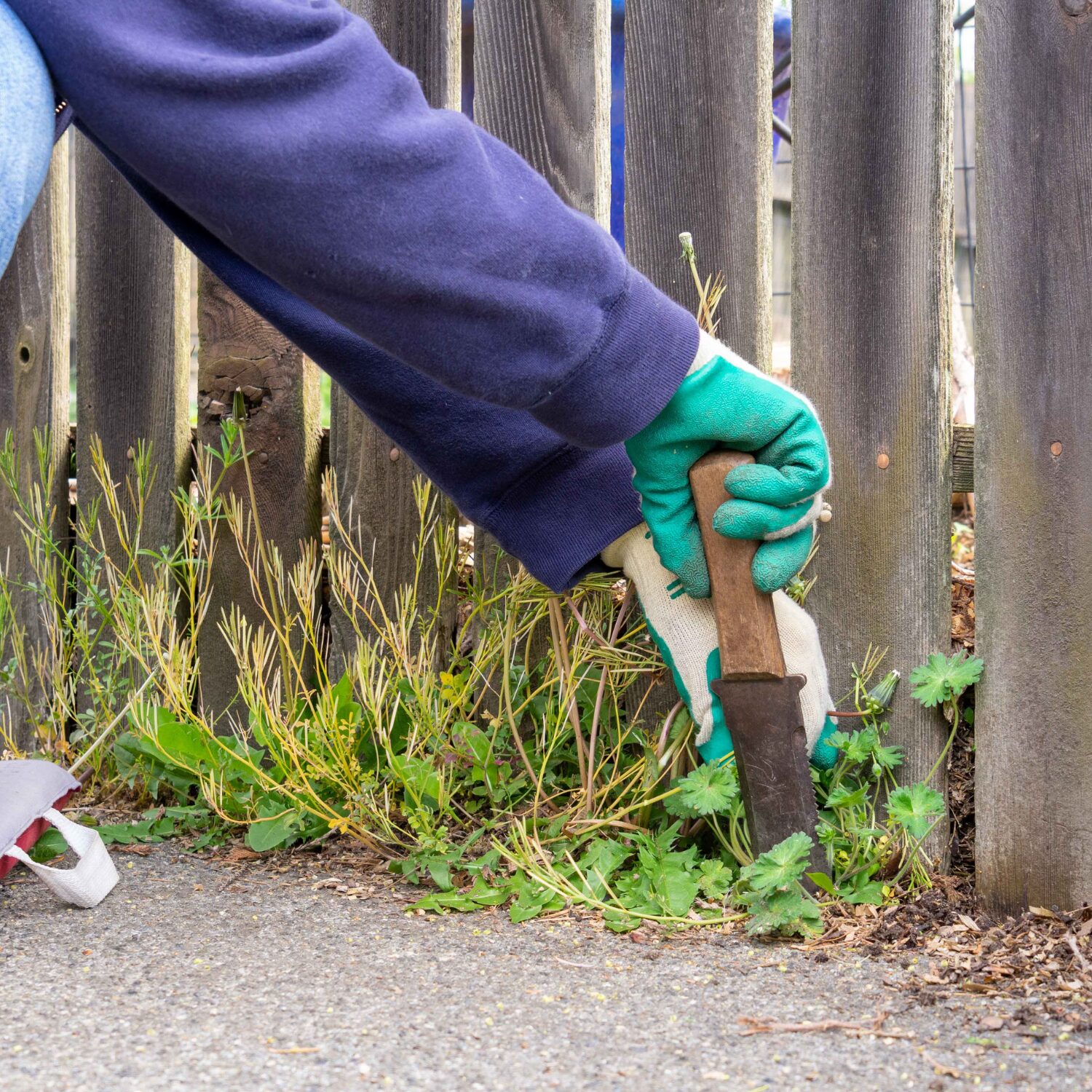
Removing weeds by hand is one of the most environmentally friendly and most effective ways to keep your garden and rock landscapes weed-free. This section will provide tips on effective manual removal techniques from a weed invasion, including the use of tools and safety measures to ensure thorough and safe weed extraction.
Hand-Pulling:
- Best for young weeds: Hand-pulling is most effective when weeds are young and the soil is moist, as this makes it easier to remove the entire root system.
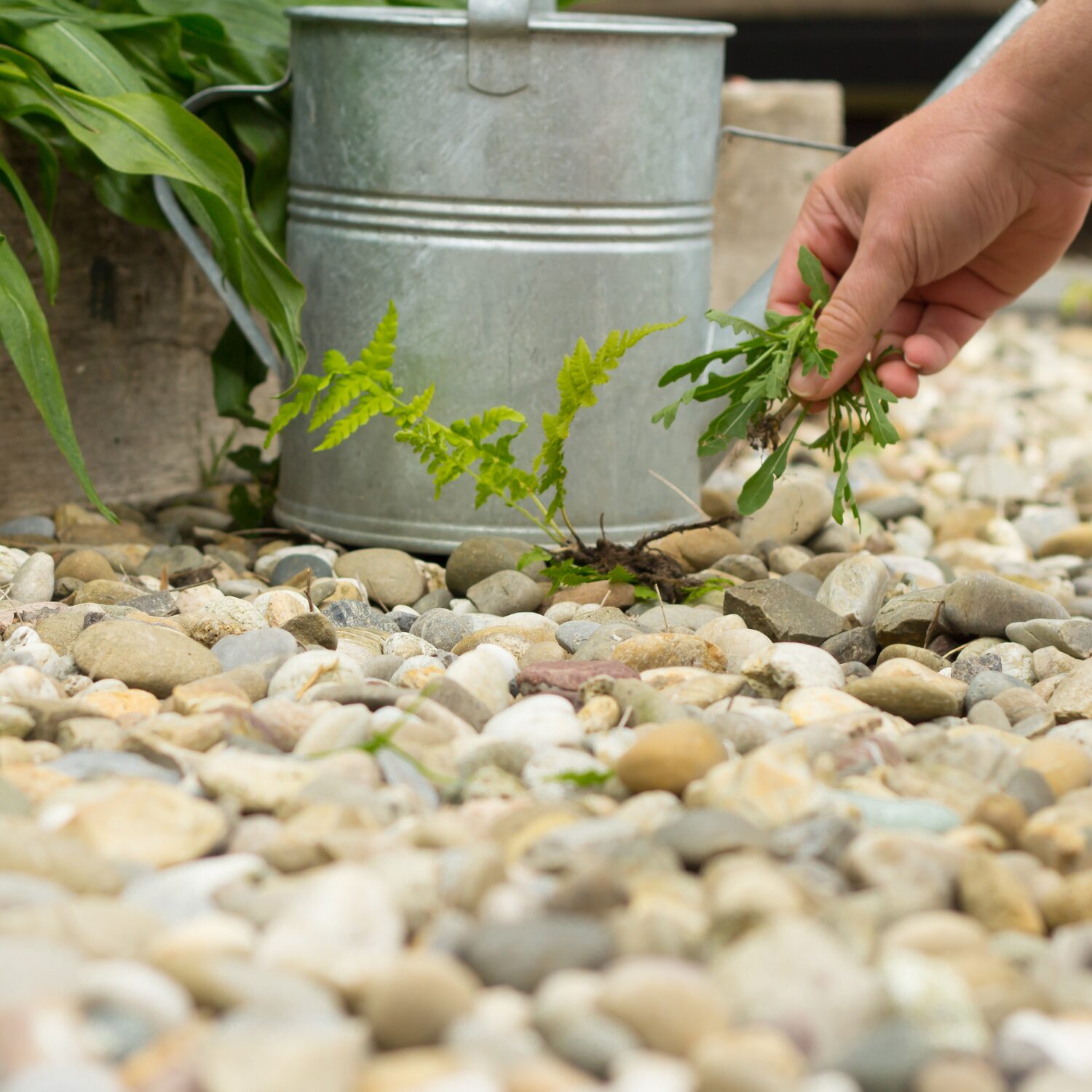
- Root removal: Grasp the weed close to the ground and pull gently but firmly, ensuring that the root comes out with the plant to prevent regrowth.
- After rain: Consider weeding after a rain shower when the soil is softer, making it easier to remove the entire weed, root and all.
Tools for Weed Removal:
- Weeding fork or dandelion digger: These tools are excellent for prying up weeds with deep taproots like dandelions. Insert the tool into the ground beside the weed and gently lever the plant out, root and all.
- Hoe: A sharp hoe can be used to slice through the roots of weeds just below the soil surface. It’s particularly effective in dealing with a large area of young weeds.
- Cultivator: This tool is useful for stirring the soil to uproot weeds. It works well in garden beds where you need to be careful not to disturb surrounding plants.
Ensuring Complete Root Removal:
- Check the root: After pulling a weed, check to see if the root has broken. If part of the exposed root remains in the soil, there’s a chance the weed could regrow.
- Use a tool for stubborn roots: If a weed breaks off at the surface, use a weeding fork, garden hoe, or similar tool to dig out the remaining deep roots and invasive plant.
- Regular monitoring: After manual removal, keep an eye on the area for any signs of regrowth, and quickly remove any new sprouts.
Manual aggressive weed removal, while labor-intensive, offers a safe and selective approach to managing unwanted plants in your garden. It allows for the immediate removal of weeds without the use of chemicals, preserving the health of your soil and surrounding plants. By following these tips and incorporating regular weeding into your garden maintenance routine, you can effectively manage weeds and keep your outdoor spaces looking their best.

What is the best weed killer?
Determining the “best” weed killer for stubborn weeds depends on various factors including the type of weeds you’re dealing with, the area you’re treating (lawn, garden, driveway, etc.), environmental concerns, and personal preferences regarding chemical versus organic methods. Here’s a breakdown of some options, each best in different scenarios:
For Lawns:
- Selective Herbicides: Products containing 2,4-D, MCPP, and dicamba are effective for broadleaf weed control in lawns without harming the grass.
- Example: Weed B Gon is popular for its effectiveness against a wide variety of lawn weeds while being safe for grass.
For Gardens and Flower Beds:
- Pre-Emergent Herbicides: Products like Preen prevent weed seeds from germinating without harming established plants.
- Organic Options: Mulching or corn gluten meal can suppress weeds while being gentle on your garden.
For Driveways and Patios:
- Non-Selective Herbicides: Glyphosate-based products, like Roundup, are effective for clearing all vegetation but should be used cautiously to avoid affecting nearby desirable plants.
- Natural Solutions: Boiling water or a vinegar and salt solution can be effective for spot treatments.
For Large Areas or Tough Weeds:
- Systemic Herbicides: Glyphosate or triclopyr-based products are absorbed by the plant and move within its system to kill it entirely, roots included.
- Example: Roundup Concentrate Plus for its broad-spectrum, systemic action.
For Eco-Friendly and Organic Gardening:
- Natural Herbicides: Vinegar-based herbicides, horticultural vinegar, or organic formulations with ingredients like citric acid and clove oil are preferred for their environmental safety.
- Example: Burnout Weed & Grass Killer for organic gardening.
Key Considerations:
- Effectiveness: The best weed killer effectively targets the specific weeds you are dealing with without harming surrounding plants.
- Safety: Consider the safety for children, pets, wildlife, and the environment. Organic or natural solutions might be preferable if safety is a top concern.
- Application: Ease of application and the area covered are also important. Ready-to-use sprays are convenient for small areas, while concentrates might be more economical for large properties.
Ultimately, the best weed killer for your needs will align with your specific situation, the weeds you’re targeting, and your environmental and safety preferences. Always read and follow label instructions for safe and effective use, regardless of the product chosen.

Removing weeds from rocks requires a combination of diligence, the right techniques, and an understanding of the tools and solutions at your disposal. Whether you choose manual removal, natural and organic methods, or chemical treatments, the key is to approach weed control thoughtfully and consistently.
Remember, the most effective weed management strategy is one that is sustainable and environmentally conscious, ensuring that your outdoor spaces thrive while minimizing harm to the surrounding ecosystem. With patience and the right approach, you can enjoy a weed-free rock garden that complements the natural beauty of your outdoor living space.