
At 48 years old, I thought I was in good health. I exercised, tried to eat well, and, like many women my age, I was exploring hormone replacement therapy. As part of that process, my doctor ordered routine bloodwork.
That blood test changed everything.
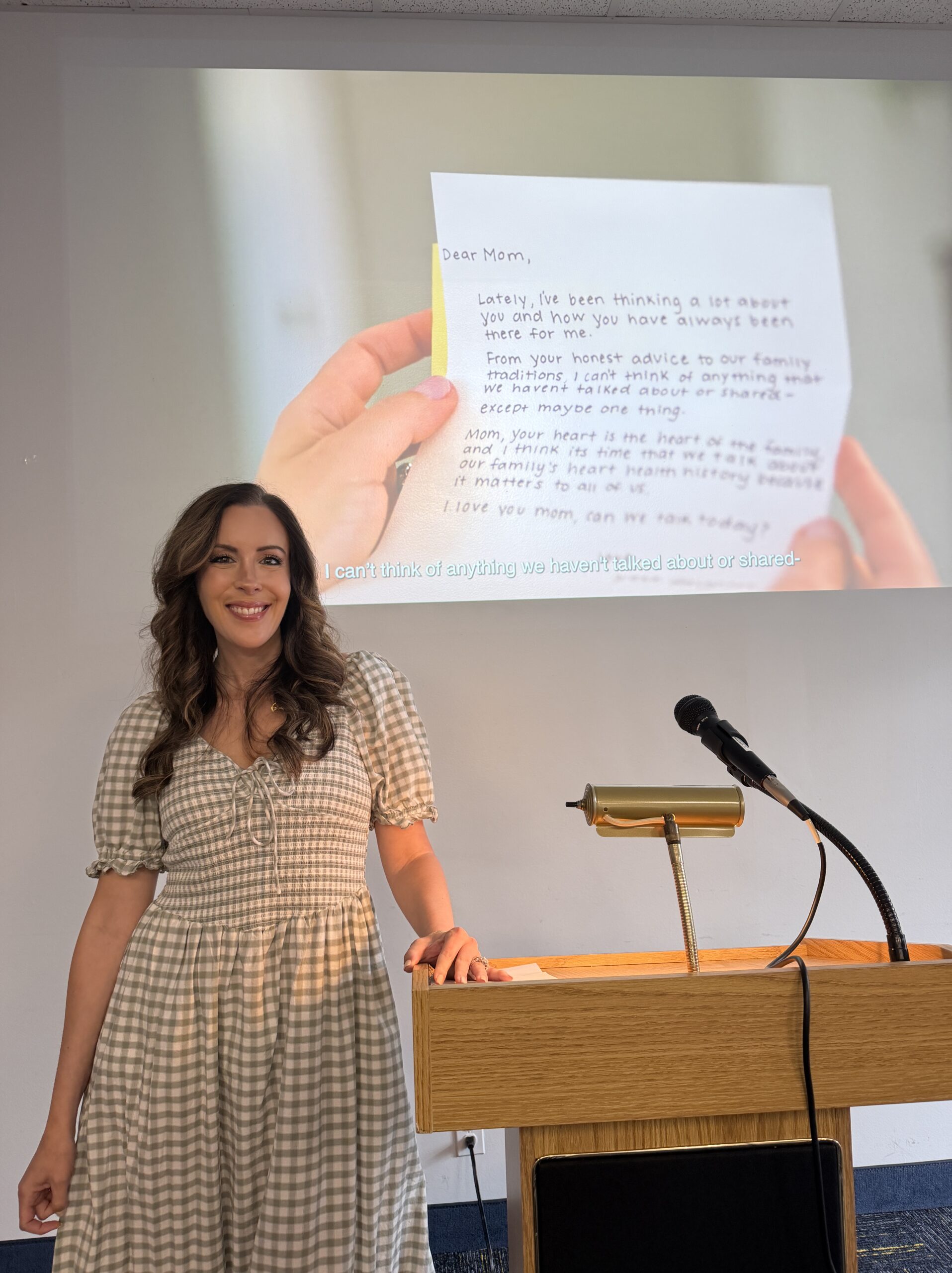
My CRP, a marker of inflammation in the body, came back at 41. For reference, a typical range is between 1 and 3. My doctor immediately referred me to a cardiologist. After a stress test, I was told there were indications of a possible blockage. Hearing those words was terrifying. Suddenly, heart disease wasn’t something that happened to someone else—it was something I might have to face myself.
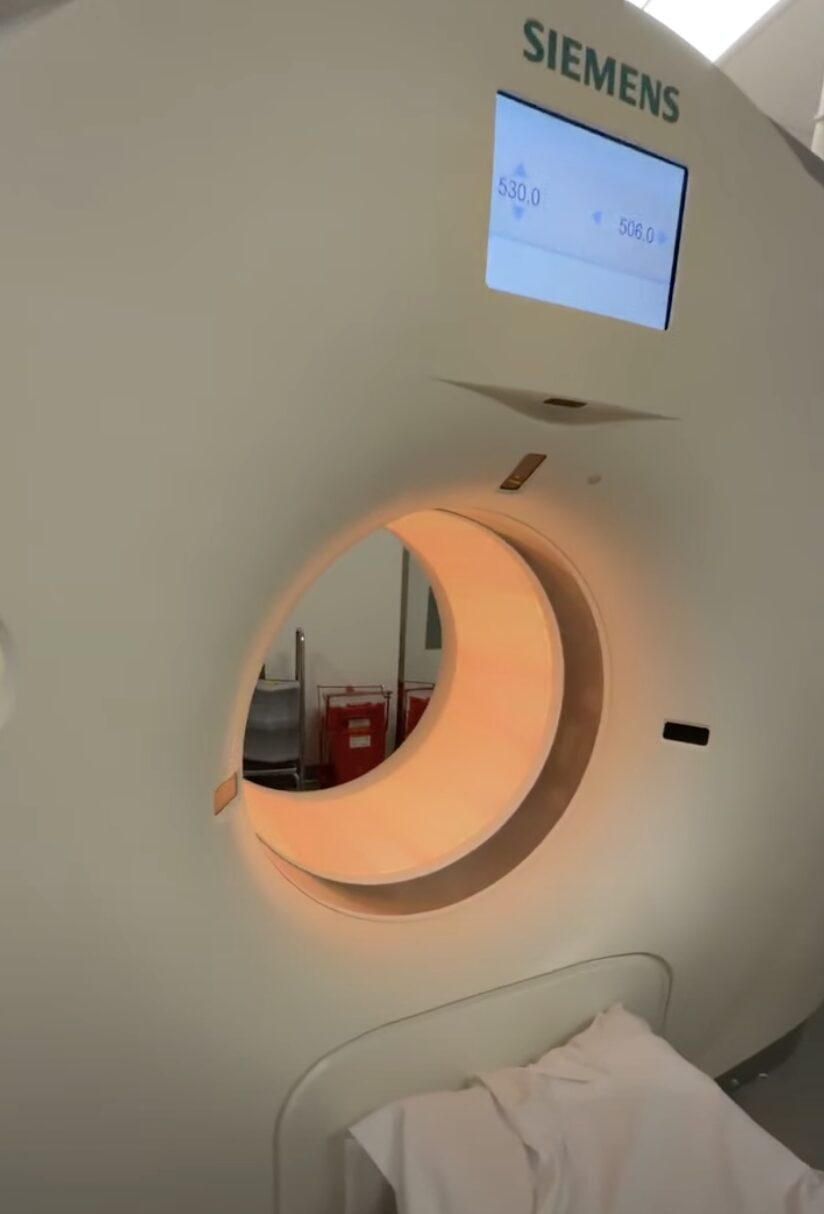
The next step was a CT scan with contrast. Thankfully, the results showed no blockage, which was an incredible relief. But my doctors still weren’t satisfied with my inflammatory markers. My journey continued with referrals to a rheumatologist and an endocrinologist, while I remained under the care of my cardiologist as I continued searching for answers.
My story isn’t over. In many ways, it’s just beginning.
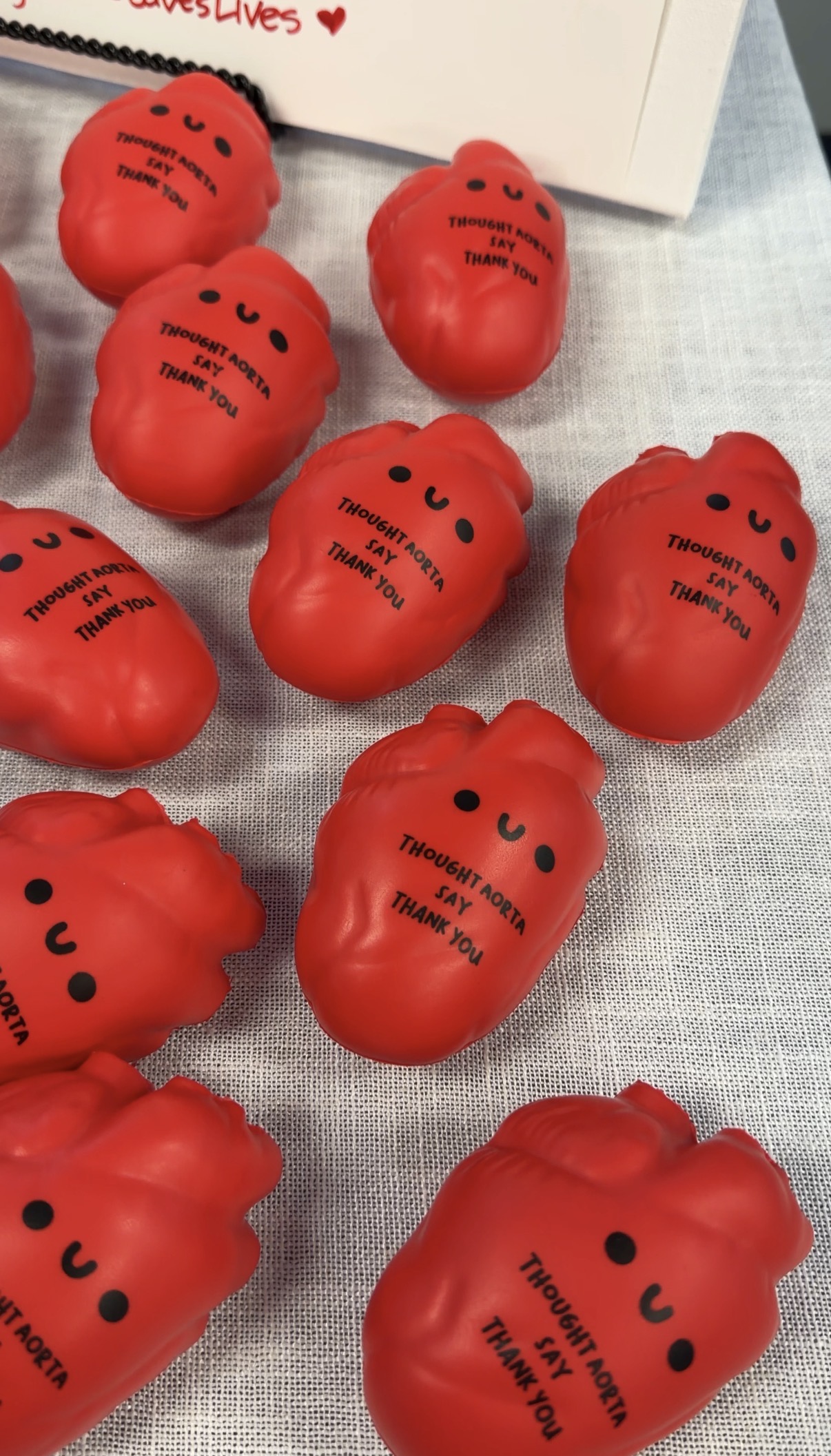
Why This Experience Changed My Perspective
Before all of this happened, I don’t know that I truly understood how common heart disease is among women.
More than 60 million women in the United States are living with some form of heart disease, yet many still don’t realize it remains the leading cause of death for women, responsible for one in every three deaths. That is more than all forms of cancer combined.
For decades, heart disease was often thought of as primarily affecting men. While that perception has changed, significant gaps in awareness, diagnosis, and treatment for women still exist today.
Those statistics became much more personal once I found myself sitting in a cardiologist’s office.
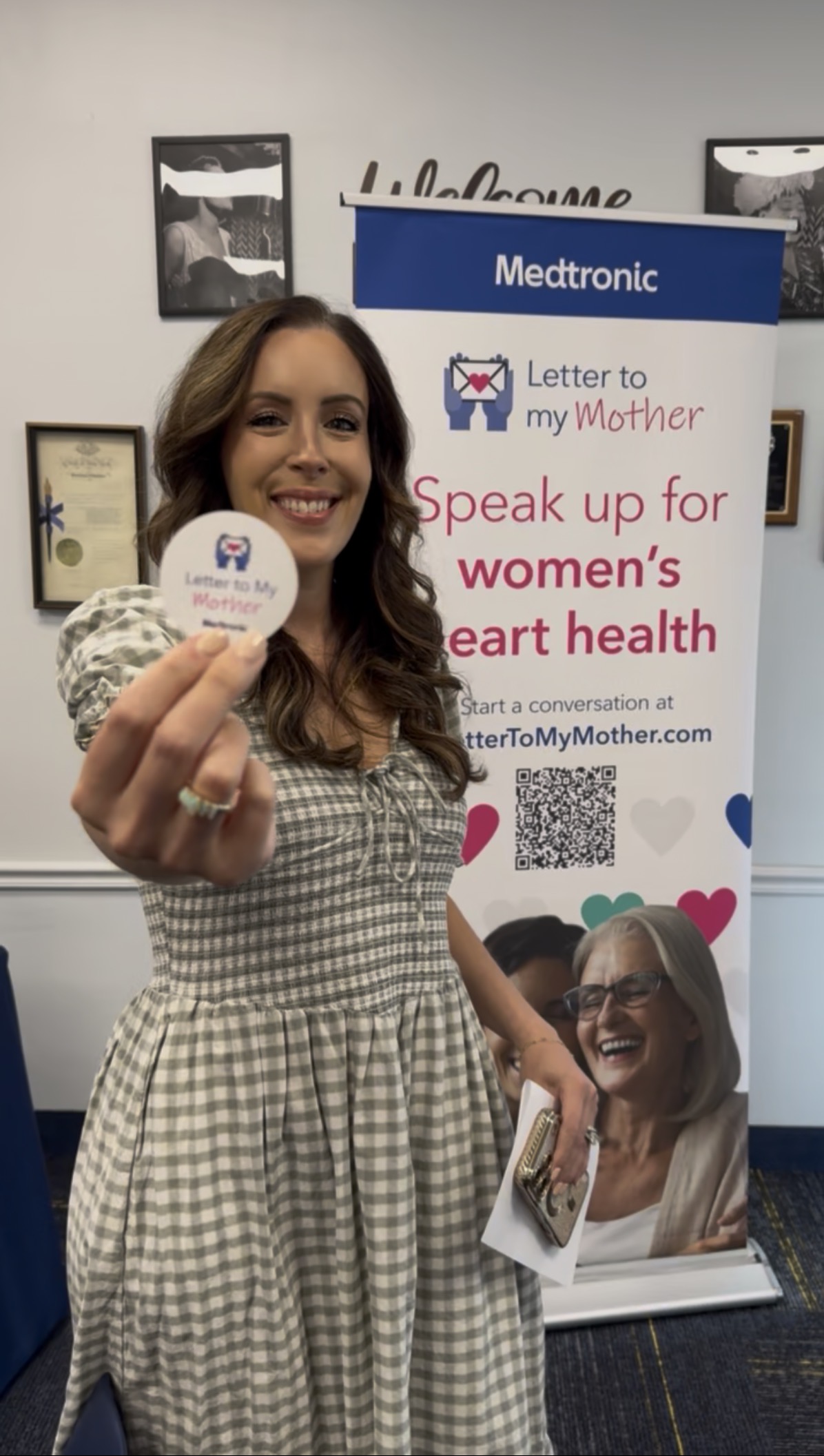
Speaking at the Letter to My Mother Community Event
That’s why I was honored to speak at the Letter to My Mother Long Island Women’s Heart Health Community Event, hosted by Medtronic in partnership with WomenHeart.
The campaign encourages women to start an important conversation with their mothers, daughters, sisters, and the other women in their lives about family health history, heart disease risk factors, and symptoms.
One statistic that really stood out to me is that 45% of women say they would rather discuss politics, money, or relationships with their mother or grandmother than talk about their family health history.
Those conversations may not always be easy, but they can be incredibly important. Knowing your family’s history gives both you and your healthcare providers valuable information that could influence screening, prevention, and treatment decisions.
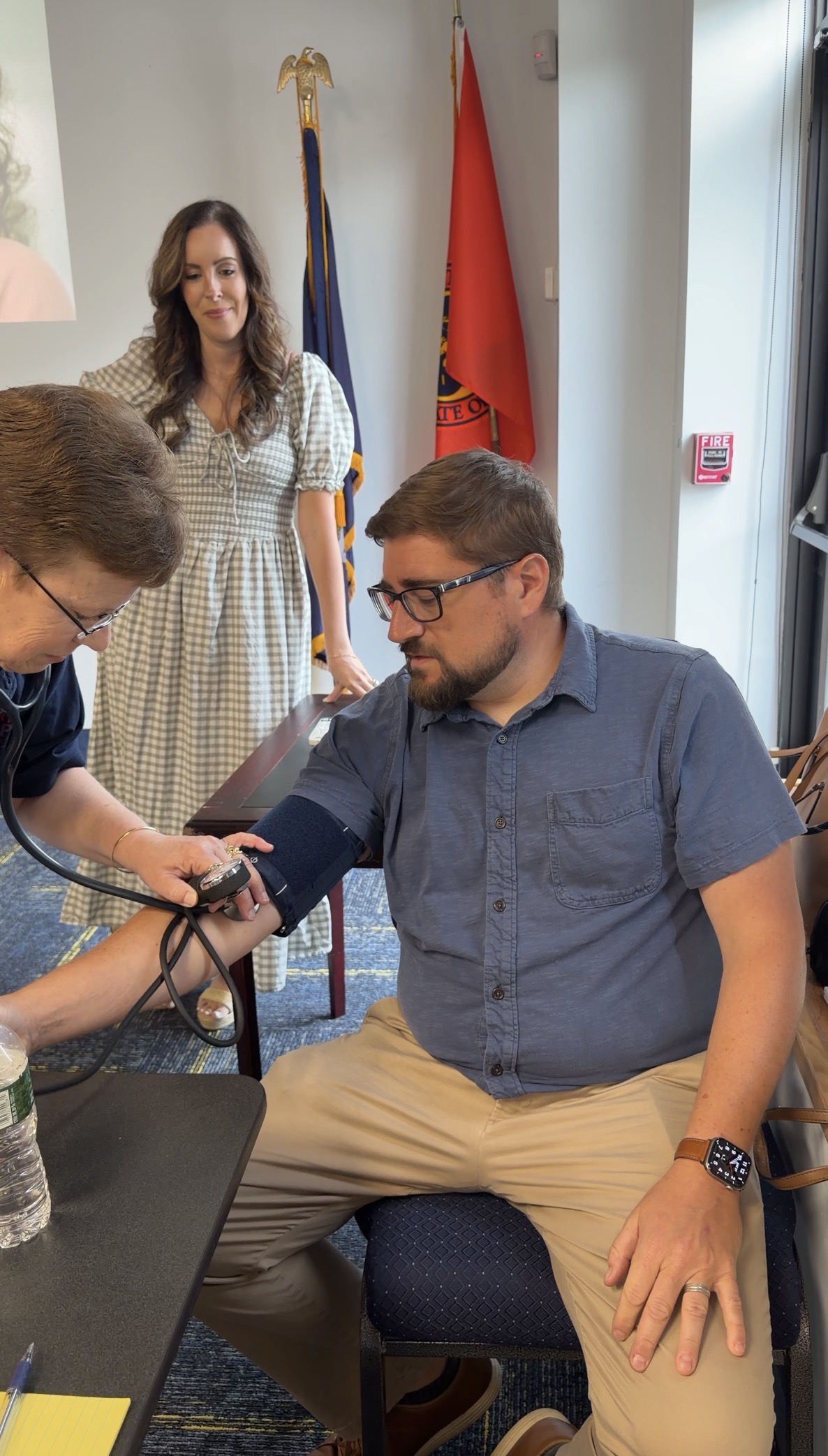
The Biggest Lesson I’ve Learned
If my doctor hadn’t ordered routine bloodwork, I may have never known anything was wrong. That single appointment started a chain of testing that continues today. While I’m grateful my CT scan ruled out a blockage, I’m equally grateful that my doctors kept digging instead of stopping there.
This experience has taught me that advocating for your health isn’t optional. It’s essential.
- Ask questions. Request follow-up testing when something doesn’t feel right.
- Keep your appointments.
- Know your numbers.
And don’t dismiss symptoms simply because you’re busy or assume you’re “too healthy” to have heart concerns.
My Hope for You
If you take one thing away from my story, let it be this:
- Stay on top of your health.
- Schedule your annual physical.
- Know your cholesterol, blood pressure, blood sugar, and inflammatory markers when appropriate.
- Talk to the women in your family about your health history.
- Listen to your body.
And never be afraid to advocate for yourself. Awareness isn’t about living in fear. It’s about giving yourself the best chance to live a long, healthy life. Because sometimes a routine blood test can change everything.
To learn more about heart health, visit alettertomymother.com