
Adjusting to new dentures can be a significant transition that requires patience, perseverance, and a willingness to adapt. Whether you have just received your first set of dentures or have upgraded to a new pair, the initial period of wearing and getting accustomed to them can present some challenges.
However, with proper care, support from your dentist, and an understanding of the adjustment process, you can successfully adapt to your new dentures and regain confidence in your smile and ability to chew and speak. In this journey, it is important to be patient with yourself and recognize that it takes time for your mouth and muscles to acclimate to the new dental appliance. By following some key strategies and taking them one step at a time, you can easily and comfortably navigate the adjustment period.
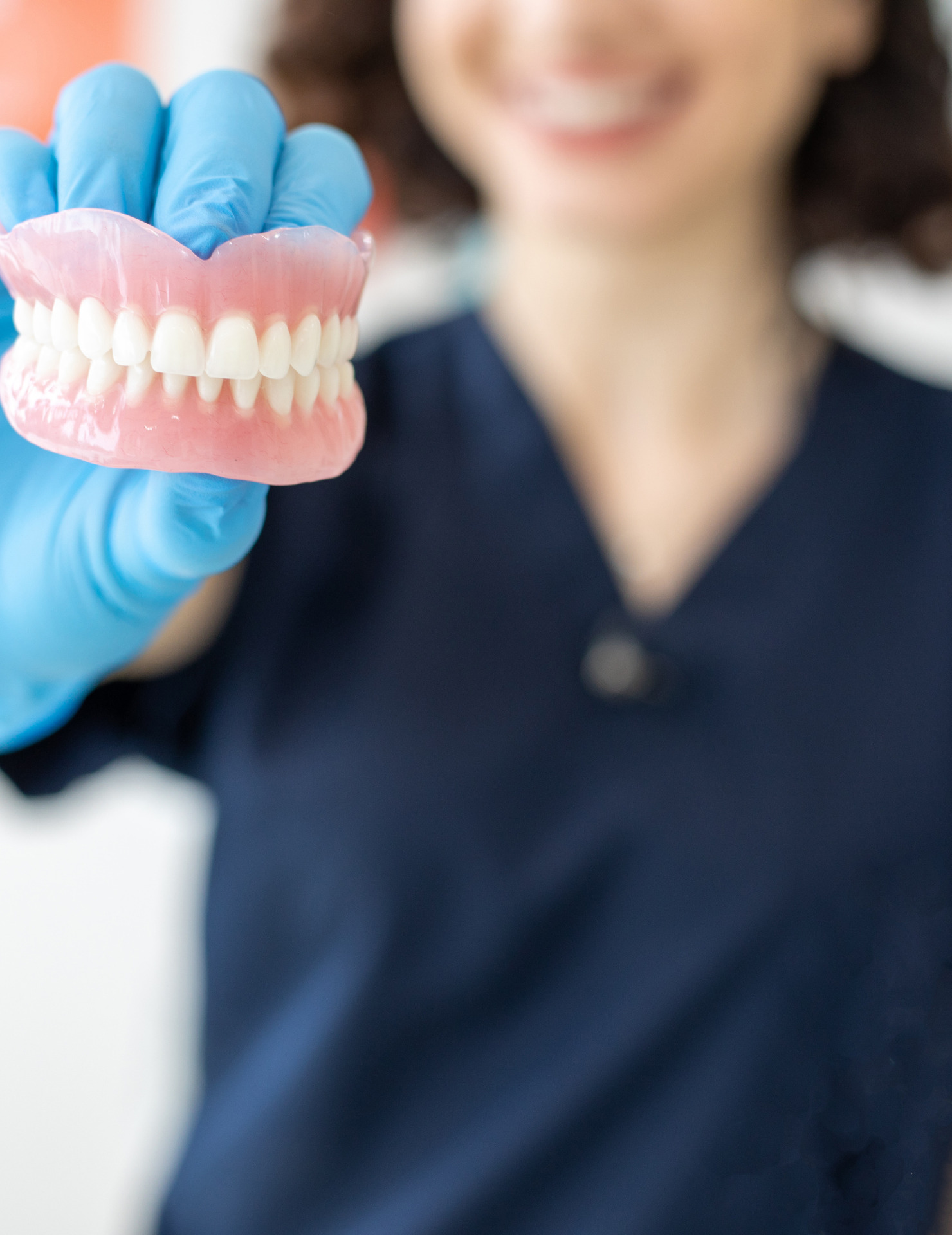
How can I adjust to dentures?
Adjusting to dentures can take some time and patience, but you can make the process smoother with the right approach. Here are some tips to help you adjust to dentures:
- Follow the recommended transition period: Your dentist will likely advise you on how to gradually transition to wearing dentures. They may suggest starting with wearing them for shorter periods, such as a few hours a day, and gradually increasing the duration over time. This allows your mouth to adapt and prevents excessive soreness or discomfort.
- Practice speaking: Speaking with dentures may initially feel different and may affect your speech. To improve your speaking ability, practice reading aloud or speaking in front of a mirror. This can help you get used to the new feel and adjust your tongue and mouth movements.
- Take smaller bites and chew slowly: Eating with dentures requires some adjustment. Start with soft foods and gradually introduce harder foods as you become more comfortable. Cut your food into smaller, manageable pieces and chew slowly and evenly on both sides of your mouth. This helps distribute the pressure evenly and prevents denture movement.
- Be cautious with hot foods and drinks: Dentures can affect your ability to sense hot temperatures accurately, increasing the risk of burns. Be cautious while consuming hot foods or beverages, and take small sips to avoid burning your mouth. Gradually, you’ll become more accustomed to judging the temperature.
- Use denture adhesive if necessary: Denture adhesives can help improve the stability and fit of your dentures, especially during the adjustment period. Follow the instructions provided with the adhesive and use only the amount recommended by your dentist.
- Maintain good oral hygiene: Proper oral hygiene is crucial, even with dentures. Remove your dentures daily and clean them thoroughly with a brush and mild soap or denture cleaner. Additionally, brush your gums, tongue, and the roof of your mouth with a soft-bristled toothbrush to keep them clean and stimulate circulation.
- Stay hydrated: Initially, dentures might cause increased saliva production, making your mouth feel more moist. Over time, this may normalize, and some people may experience a dry mouth sensation. Drink plenty of water throughout the day to keep your mouth hydrated and prevent discomfort.
- Attend follow-up appointments: Regularly visit your dentist for follow-up appointments. They can assess your progress, make any necessary adjustments to your dentures, and address any concerns or discomfort you may have.
Remember, adjusting to dentures is a gradual process, and it may take some time for your mouth and muscles to adapt fully. Be patient with yourself, and if you experience significant or prolonged discomfort, consult your dentist for guidance and assistance.

How long does it take to adjust to dentures?
The time it takes to adjust to dentures can vary from person to person. It’s important to remember that adjusting to dentures is a process, and it may take some time for your mouth and muscles to adapt fully. In general, the initial adjustment period can last a few weeks to a few months. During this time, you may experience some discomfort, soreness, or difficulty speaking and eating.
Here is a general timeline that you may expect during the denture adjustment period:
- First few days: Initially, wearing dentures may feel strange and uncomfortable. You may experience increased salivation, sore spots, and difficulty speaking. This is a common experience as your mouth adjusts to the new appliance.
- First few weeks: As you continue to wear your dentures, your mouth will gradually adapt. You may notice improvements in speech and eating. However, you may still experience some soreness and discomfort as your gums and oral tissues adjust to the dentures.
- Weeks to a few months: Over time, your mouth will become more accustomed to the dentures. Sore spots should diminish, and your ability to speak and eat should continue to improve. It’s important to follow good oral hygiene practices and maintain regular visits to your dentist during this period.
It’s important to note that everyone’s experience with dentures can be different, and the adjustment period may vary. Factors such as the condition of your oral tissues, bone structure, and personal adaptation can influence how long it takes to adjust to dentures. Regular communication with your dentist throughout the adjustment process is key, as they can provide guidance, make necessary adjustments to your dentures, and address any concerns you may have.
If you find that you are experiencing significant or prolonged discomfort or difficulty with your dentures, it’s important to consult your dentist. They can evaluate the fit of your dentures, make any necessary adjustments, or explore alternative solutions to ensure your comfort and oral health.
Will dentures ever feel normal?
Yes, with time and proper adjustment, dentures can feel normal. It’s important to remember that getting used to dentures is a process, and it can take some time for your mouth and muscles to adapt fully. Initially, dentures may feel strange, uncomfortable, or bulky, but as you continue to wear them and your mouth adjusts, they should start to feel more natural.
Here are a few factors that can contribute to dentures feeling more normal over time:
- Muscular adaptation: Your facial muscles and oral tissues need time to adjust to the presence of dentures. As you wear them regularly, your muscles will learn to hold the dentures in place more securely, improving their stability and overall comfort.
- Sensory adaptation: Initially, dentures may affect your sense of taste and the way you perceive hot and cold temperatures. However, as your mouth adjusts, these sensations should normalize, and you will become more accustomed to the feeling of wearing dentures.
- Improved fit: Your dentist may make adjustments to your dentures during follow-up appointments to ensure a better fit. This can help enhance comfort and stability, making the dentures feel more natural in your mouth.
- Oral hygiene routine: Maintaining good oral hygiene with dentures can contribute to a more comfortable experience. Keeping your dentures clean, along with regular brushing of your gums, tongue, and the roof of your mouth, can help prevent oral health issues and maintain overall comfort.
It’s important to communicate with your dentist throughout the adjustment process. They can provide guidance, address any concerns, and make necessary adjustments to ensure that your dentures fit well and feel as comfortable as possible.
However, it’s worth noting that while dentures can be an effective solution for missing teeth, they may never feel exactly the same as natural teeth.

How many hours a day should you wear dentures?
The recommended duration for wearing dentures can vary depending on individual circumstances and the advice of your dentist. In general, during the initial adjustment period, your dentist may suggest starting with wearing dentures for shorter periods and gradually increasing the duration over time. This allows your mouth to adapt and helps prevent excessive soreness or discomfort.
Here are some general guidelines for wearing dentures:
- Gradual increase: In the beginning, you may be advised to wear your dentures for a few hours a day, gradually increasing the duration as your mouth adjusts. This helps your gums and oral tissues become accustomed to the dentures and reduces the risk of irritation.
- Follow your dentist’s instructions: Your dentist will provide specific recommendations based on your unique situation. They may advise you on the appropriate duration for wearing dentures based on factors such as the condition of your oral tissues, bone structure, and the type of dentures you have.
- Remove them at night: It is generally recommended to remove your dentures before going to bed to give your mouth a chance to rest. This allows your gums to be exposed to saliva and natural cleansing, promoting oral health and preventing potential issues.
- Personal comfort: Pay attention to how your mouth feels when wearing dentures. If you experience significant discomfort or soreness, it may be a sign that you need to remove them for a period of time to allow your mouth to rest. Always follow your own comfort level and consult your dentist if you have concerns.
It’s important to note that the duration for wearing dentures can vary from person to person. Your dentist will provide personalized guidance based on your specific needs. Regularly communicate with your dentist, attend follow-up appointments, and follow their recommendations to ensure a comfortable and successful denture-wearing experience.
Does it feel different to kiss with dentures?
The experience of kissing with dentures can vary from person to person. Some individuals may find that wearing dentures does not significantly impact their ability to kiss, while others may notice some differences or adjustments that need to be made.
Dentures may affect the sensation and feeling of kissing. The presence of dentures in the mouth can alter the tactile experience and reduce the direct contact between lips and teeth. Some individuals may find this difference to be subtle, while others may need to adapt to the new sensation.
Properly fitted dentures should provide stability and secure fit, allowing you to engage in normal activities, including kissing. If your dentures fit well and are securely in place, they are less likely to shift or move during a kiss.
Open and honest communication with your partner is essential. If you feel any discomfort or changes in sensation while kissing, it’s important to communicate this with your partner. This allows you both to find comfortable ways to adapt and continue enjoying intimate moments.
Denture adhesives can enhance the stability of your dentures. Using a denture adhesive, if recommended by your dentist, can provide additional security during activities like kissing.
How do you break in new dentures?
Breaking in new dentures involves gradually acclimating your mouth to the new appliance. This process allows your oral tissues, muscles, and tongue to adjust to the presence of dentures. Here are some steps to help you break in new dentures:
- Follow your dentist’s instructions: Your dentist will provide specific instructions tailored to your situation. It’s important to follow their guidance regarding wearing schedule, cleaning, and any additional care instructions they provide.
- Start with short wear times: Initially, wear your new dentures for shorter periods, such as a few hours a day. This allows your mouth to adapt gradually and minimizes discomfort or soreness.
- Practice speaking: Speaking with new dentures may feel different initially. Practice speaking aloud, reading books or articles, and speaking in front of a mirror. This helps your tongue and oral muscles adjust to the new feel and improve your speech clarity.
- Gradually increase wear time: As your mouth becomes more comfortable, gradually increase the duration of wearing your dentures. Follow your dentist’s instructions on how long to wear them each day, and incrementally increase the time as advised.
- Monitor sore spots: During the adjustment period, pay attention to any sore spots or areas of discomfort. If you notice any, inform your dentist so they can make necessary adjustments to the dentures for a better fit.
- Modify your diet: Start with soft foods that are easy to chew and swallow, gradually introducing harder and chewier foods as you become more comfortable. Cut your food into smaller pieces and chew slowly and evenly on both sides of your mouth.
- Stay hydrated: Drinking plenty of water throughout the day helps with saliva production and keeps your mouth moist, which can aid in the adjustment process.
- Practice good oral hygiene: Remove your dentures daily and clean them thoroughly with a denture brush and mild soap or denture cleaner. Additionally, brush your gums, tongue, and the roof of your mouth with a soft-bristled toothbrush to keep them clean and stimulate circulation.
- Attend follow-up appointments: Regularly visit your dentist for follow-up appointments. They can assess your progress, make any necessary adjustments to your dentures, and address any concerns or discomfort you may have.
Remember, adjusting to new dentures takes time and patience.
What is the best way to clean dentures?
To maintain proper oral hygiene and keep your dentures clean, follow these recommended steps for cleaning dentures:
- Remove and rinse: Take out your dentures and rinse them with water to remove any loose debris or food particles.
- Brush the dentures: Use a soft-bristle denture brush or a toothbrush specifically designed for dentures to gently brush all surfaces of your dentures. This includes the teeth, gums, and any areas that come into contact with your mouth. Avoid using regular toothpaste, as it can be too abrasive and damage the denture material. Instead, use a mild liquid soap or denture cleaner recommended by your dentist.
- Soak overnight: After brushing, it’s recommended to soak your dentures overnight. Soaking helps to remove stains, kills bacteria, and keeps the dentures moist. Use a denture-soaking solution or plain water. Follow the product instructions or consult your dentist for the appropriate soaking solution and duration.
- Rinse before wearing: Before wearing your dentures again, a good idea is to thoroughly rinse them with water to remove any residue from the cleaning solution.
- Clean your mouth: The next time your dentures are out, cleaning your mouth is essential. Use a soft-bristle toothbrush or gauze to gently clean your gums, tongue, and the roof of your mouth. This helps remove plaque and stimulates circulation.
Additional tips for denture care:
- Handle traditional dentures with care to avoid dropping or damaging them. Place a towel or basin of water in the sink when handling them to prevent breakage if accidentally dropped.
- Avoid using hot water, as it can warp the denture shape. Use cool or warm water for rinsing and cleaning.
- Do not use harsh or abrasive cleaners, such as bleach, as they can damage the denture material.
- Regularly inspect your dentures for any cracks, chips, or damage. If you notice any issues, consult your dentist for repair or replacement.
- If you use denture adhesives, follow the instructions provided by the manufacturer and clean off any residue from the dentures before reapplying the adhesive.
- Maintain regular dental check-ups and follow-up appointments with your dentist to ensure proper denture fit and address any concerns.
By following these cleaning practices and maintaining good oral hygiene, you can help prolong the lifespan of your dentures and promote oral health.

What are denture donation boxes?
Denture donation boxes are collection containers where individuals can donate their used or unused dentures. These boxes are typically placed in dentist offices, clinics, or community centers to provide a convenient way for people to donate dentures they no longer need or use. This recycling program is a wonderful way to get dentures to people in need of a new pair of dentures.
The purpose of denture donation boxes is to collect dentures that can be refurbished, sterilized, and provided to individuals who may not have access to proper dental care or cannot afford new dentures. Only donate if you’ve taken good care of your dentures. The donated dentures are often used to benefit those who are in need, such as low-income individuals in the United States, the elderly, or individuals in developing countries.
Once collected, the donated dentures undergo a process of cleaning, sterilization, and refurbishment to ensure they are in good condition for reuse. Dental professionals or organizations that manage denture donation programs work to match the donated dentures with individuals who can benefit from them.
It’s important to note that not all dental offices or locations have denture donation boxes, as it depends on the specific initiatives or programs in place. If you are interested in donating dentures, you can inquire with local dental offices or community organizations to see if they have denture donation programs or if they can provide guidance on where to donate.
Do dentures give you bad breath?
Dentures themselves do not cause bad breath, but improper cleaning and maintenance of dentures can contribute to unpleasant odors. If dentures are not cleaned regularly and properly, bacteria, food particles, and plaque can accumulate on the denture surface, leading to a foul smell.
Here are some factors to consider regarding dentures, normal wear, and bad breath:
- Oral hygiene: Maintaining good oral hygiene is crucial, even when wearing dentures. Brush your dentures daily using a soft-bristle denture brush or a toothbrush specifically designed for dentures. Avoid using regular toothpaste, as it can be abrasive. Instead, use a mild liquid soap or denture cleaner recommended by your dentist. Clean your mouth, gums, tongue, and the roof of your mouth with a soft-bristle toothbrush or gauze.
- Soaking: Soak your dentures in a denture cleaning solution or plain water overnight. This helps remove stains, kill bacteria, and keep the dentures moist. Follow the product instructions or consult your dentist for the appropriate soaking solution and duration.
- Regular cleaning: Rinse your dentures thoroughly after meals to remove any food particles or debris that may contribute to odor. You can also consider using a denture cleanser or an effervescent tablet specifically formulated for denture cleaning to help eliminate bacteria and odors.
- Denture fit: Poorly fitting dentures can create spaces for food particles and bacteria to get trapped, leading to bad breath. If you notice persistent bad breath despite proper cleaning, it may be a sign that your dentures need adjustment or replacement. Consult your dentist to evaluate the fit of your dentures and make any necessary adjustments.
- Oral health check-ups: Regular dental check-ups are important, even if you have dentures. Your dentist can assess the condition of your dentures, provide professional cleaning, and address any concerns or issues related to bad breath.
It’s worth noting that bad breath can also be caused by other factors unrelated to dentures, such as poor oral hygiene, gum disease, dry mouth, or underlying health conditions. If you have concerns about bad breath, it’s best to consult your dentist or healthcare professional for a thorough evaluation and appropriate guidance.
By following good oral hygiene practices, cleaning your dentures regularly, and addressing any issues with denture fit or maintenance, you can help minimize the likelihood of bad breath associated with dentures.
There are so many factors to consider when it comes to denture wearers, old dentures, false teeth, and artificial teeth. Proper maintenance is a must. The best thing you can do for your overall health is to maintain regular visits to your orthodontist offices and follow the manufacturer’s instructions.